The short answer
NYS Clean Heat is a statewide program, delivered in this area by Central Hudson, that offers heat pump rebates (incentives) for qualifying installs. You do not apply yourself: a participating contractor submits the project, and the incentive usually shows up on the written price. Amounts and rules change, so check Central Hudson's current program page first.
We get this question a lot from homeowners weighing a ductless system for an old radiator house or a heat pump to replace an aging furnace. This post explains how the program works in plain terms. It does not list dollar amounts, because those change and any figure printed here could be out of date by the time you read it.
What NYS Clean Heat is
NYS Clean Heat is New York's heat pump incentive program. It is run through the state's utilities, so each utility delivers it to its own customers. For most homes in Newburgh, New Windsor, Beacon and Fishkill, that utility is Central Hudson Gas & Electric. NYSERDA, the state energy authority, runs related programs, including some aimed at income-eligible households.
The goal is to move homes from oil, propane, gas and electric resistance heat to heat pumps. The incentive is paid for qualifying equipment, installed to program rules, by a contractor who is enrolled in the program.
Some Orange County addresses get electricity from Orange & Rockland rather than Central Hudson. Use the utility on your electric bill; that utility's program is the one that applies to you.
Which heat pumps qualify for a Central Hudson rebate
Program details change, but these are the questions that decide eligibility:
- Your utility. You need to be an electric customer of the participating utility at the address.
- The equipment. Incentives are tied to listed equipment, typically cold-climate air-source heat pumps (ducted or ductless) and ground-source systems. Heat pump water heaters have also been included.
- How much of the house it heats. The program has drawn a line between systems that heat the whole house and systems that heat part of it, such as a ductless system for one floor with the old boiler kept as backup. The category affects the incentive.
- The sizing. Programs generally require a load calculation, such as ACCA Manual J, to show the equipment fits the house.
- The contractor. Only participating contractors can submit projects.
Ask the contractor which category your project falls under before you sign, and confirm it against Central Hudson's current program page.
On sizing, ask for the Manual J load summary and the Manual S equipment selection, which shows the model delivers enough heat at our winter design temperature without being oversized for July.
Removing the old system, and fixing the house first
- Decommissioning. Programs have offered a different category when the heat pump replaces the old system outright, with the oil boiler or furnace removed and the tank taken out or abandoned, than when the old system stays as backup. Keeping a sound boiler can still be the right call in an old Newburgh house; just know which category you are in before you sign.
- Weatherization first. Air sealing and insulation shrink the heating load, which can mean a smaller heat pump and lower bills. NYSERDA runs energy assessment and weatherization programs, and EmPower+ serves income-eligible households.
- Stacking incentives. Utility incentives, NYSERDA programs and federal tax rules change on their own schedules. Ask your installer and a tax preparer what can be combined in the year you install.
How the process works, step by step
From the homeowner's side, it usually goes like this:
- Home visit. The technician looks at the house, the existing heating system, the electrical panel and where indoor and outdoor units can go.
- Load calculation and equipment choice. The system is sized to your house and chosen from qualifying equipment.
- Written price. You get a written price that shows the incentive the contractor expects to apply for. Read it closely.
- Application. The participating contractor submits the project to the program, sometimes before work starts.
- Installation and permit. The job is installed, and the contractor generally pulls the permit from the City of Newburgh or your town's building department.
- Incentive paid. The incentive is paid through the contractor, which is why it usually appears as a reduction on your price rather than a check to you.
If any step is unclear, ask before you sign. Our ductless mini-split page and heat pump installation page explain the installs themselves.
Rules change: what to check before you sign
Incentive programs are adjusted as budgets are spent and policy shifts. Before you commit:
- Check Central Hudson's program page for the current incentive categories and requirements.
- Confirm the contractor is participating in NYS Clean Heat right now.
- Get the incentive in writing on the price, along with what happens if the application is not approved.
- Ask about NYSERDA programs if your household may be income-eligible.
- Do not count on a federal tax credit. Federal credits for heat pumps have been cut back. Ask your tax preparer about current federal rules rather than building them into your budget.
Treat the incentive as pending until the program confirms it in writing. Newburgh Bay Air Pros dispatches independent technicians, so ask whether the specific installer quoting your job is enrolled. Current rules are on Central Hudson's heat pump incentive page and the statewide NYS Clean Heat site.
Will a heat pump keep up with a Hudson Valley winter?
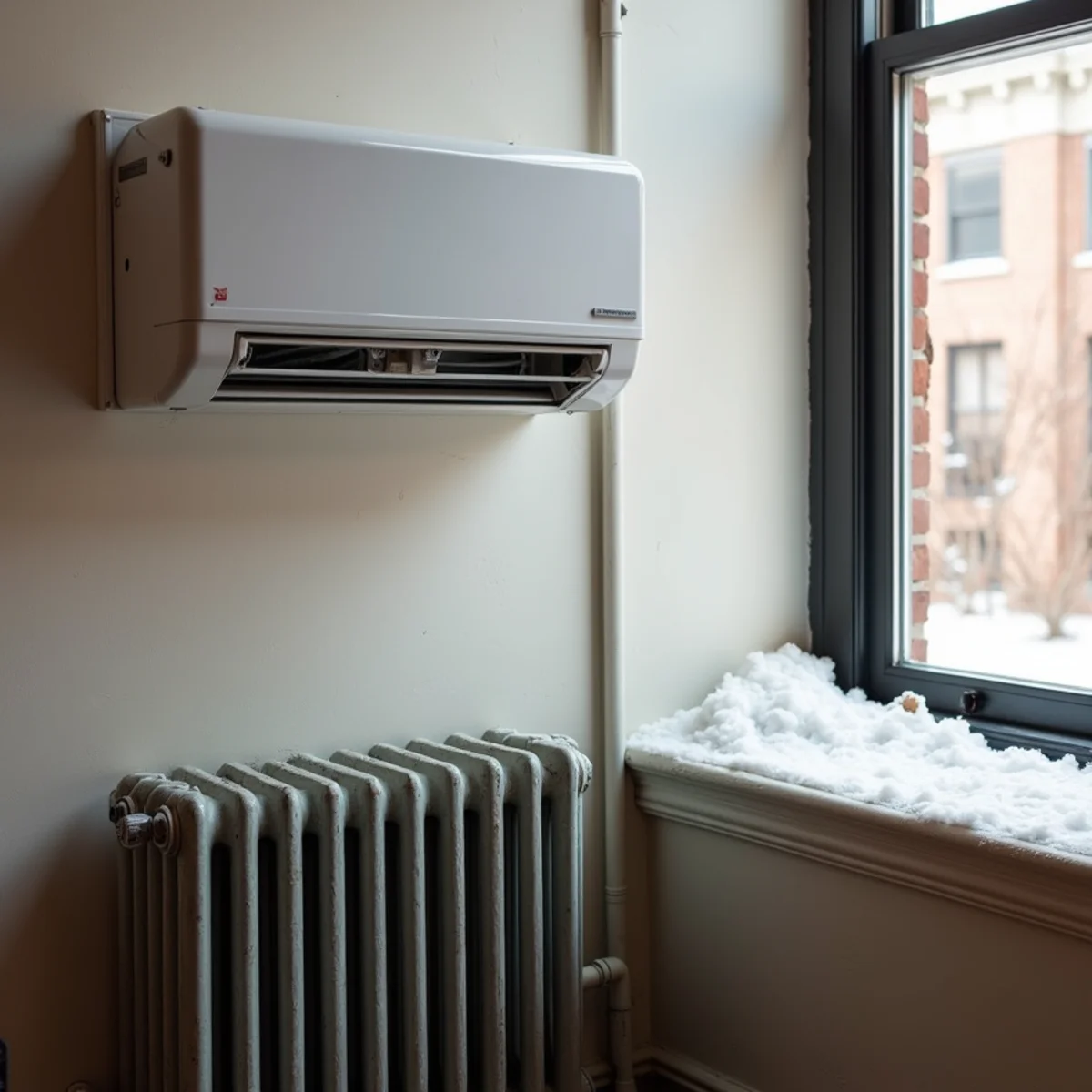
A cold-climate heat pump is built to keep heating well below the 18°F January lows we see around Newburgh, and many keep running below zero. Capacity drops as the temperature falls, so the question is how much heat a particular model delivers at your coldest design temperature. Ask to see the manufacturer's published low-temperature capacity for the unit being quoted.
Also ask how the unit defrosts, since the outdoor coil frosts over on damp winter days, and what covers the coldest nights if no boiler or furnace stays. Electric backup heat is common, and the electrical service has to carry it.
For many older houses, the practical answer is a hybrid. A ductless system heats and cools the main living space, and the existing oil or gas boiler stays as backup on the coldest nights. In a Fishkill colonial with good ductwork, a ducted heat pump can replace the furnace's role. In a Newburgh rowhouse with radiators and no ducts, ductless heads are usually the route. We cover those options in our post on cooling an old house without ductwork.
Comparing quotes and checking the finished install
Compare written heat pump quotes line by line. Each should show:
- Model numbers for the indoor and outdoor equipment
- The Manual J and Manual S results behind the size
- Electrical work, such as a new circuit or a panel upgrade
- The permit, and who schedules the inspection and closeout
- The expected incentive as its own line, marked pending until approved
- Labor and manufacturer warranty terms
Startup testing and handoff
A heat pump is not finished when it turns on. The technician should verify the refrigerant charge to the manufacturer's specifications, check airflow, test the condensate drains and set up the controls, including backup heat. Refrigerant work requires EPA Section 608 certification; ask which technician holds it.
Before the job closes, collect the manuals, model and serial numbers, permit paperwork and proof the warranty was registered.
From the field: what makes a heat pump project go well here
Most problems with heat pump projects in this area come from details, not the equipment.
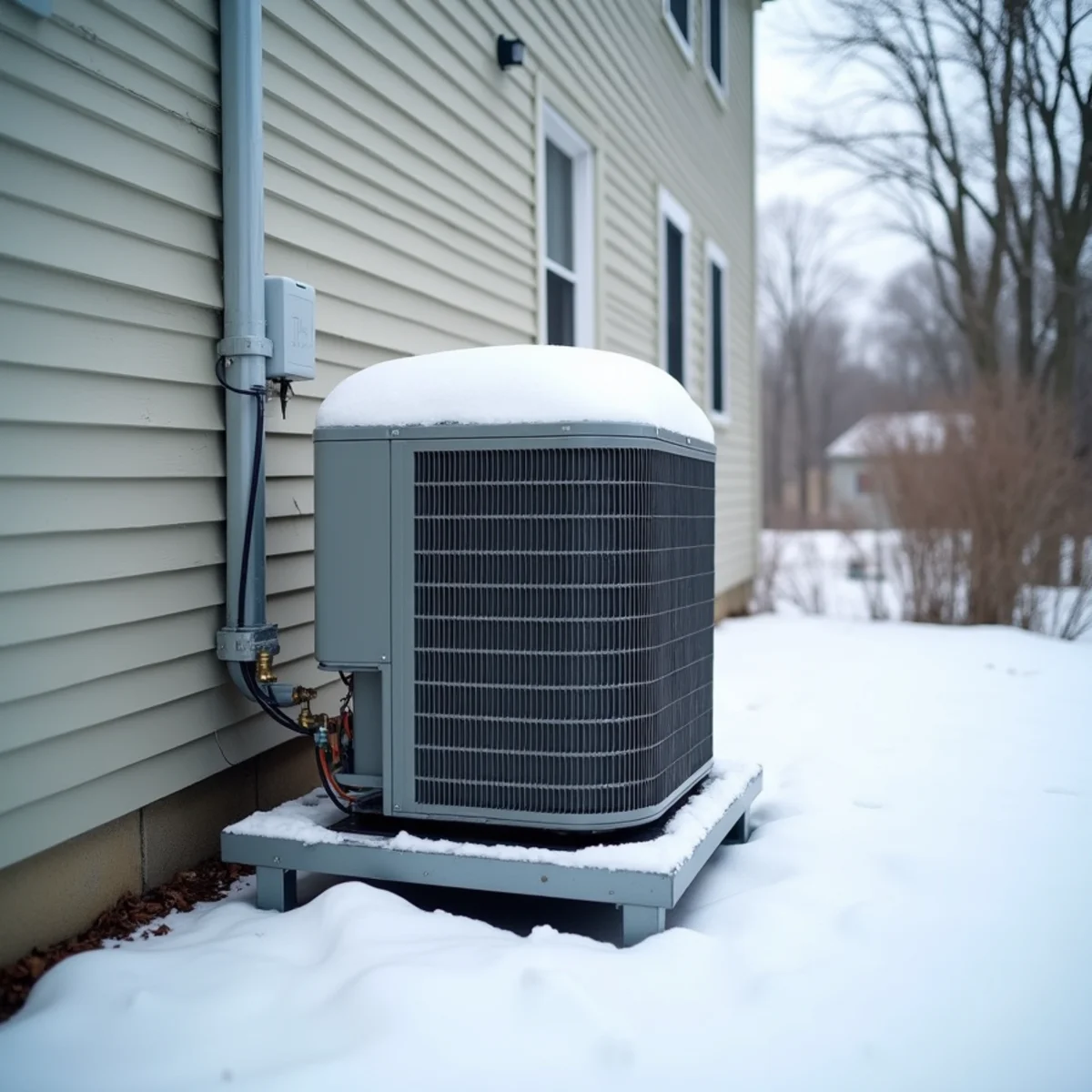
Snow. We average about 37 inches of snow a year. The outdoor unit belongs on a stand or wall bracket above the typical snow line, away from roof drip lines, with a clear path for defrost water to drain without freezing into a sheet of ice.
The electrical panel. Older houses often have small electrical services. A heat pump may need a new circuit, and sometimes a panel or service upgrade, which affects both the price and the timeline.
Historic districts. In Newburgh's historic districts, exterior changes go through the city's architectural review process. Plan to keep outdoor units and line sets off street-facing walls where possible, and check before installing.
Sizing. An oversized heat pump short-cycles and handles humid July air poorly. An undersized one leans hard on backup heat. A load calculation, not the old furnace's size, should set the equipment.
A typical call: a Fishkill homeowner replacing a 20-year-old furnace wants a ducted heat pump with the incentive applied. The visit covers the load calculation, a look at the existing ducts and the panel, and a written price that shows the expected incentive line by line.
Ask about a heat pump for your house
Call Newburgh Bay Air Pros at (321) 478-0693 to have a technician look at your house and talk through heat pump options. We answer 24/7 and serve Newburgh, New Windsor, Beacon, Cornwall, Walden, Washingtonville and homes in Fishkill. You approve a written price before work starts, and the technician explains which incentive category the project falls under and whether the installing contractor participates in NYS Clean Heat. Every HVAC technician we send is licensed where New York requires it, and insured.
Common Questions
Do I apply for the Central Hudson heat pump incentive myself?
Usually not. Under NYS Clean Heat, the participating contractor submits the project and receives the incentive, then passes it on to you, typically as a reduction on the written price. Your part is choosing a participating contractor, reading the price to see the incentive listed, and keeping copies of the paperwork. Check Central Hudson's program page for the current process.
Does the incentive cover ductless mini-splits?
Ductless cold-climate heat pumps have qualified when they are on the program's equipment list and installed to its rules. How the incentive is calculated depends on whether the system heats the whole house or only part of it. Ask the contractor which category your project fits, and confirm it against the current program page before you sign.
Can I keep my oil or gas boiler if I add a heat pump?
Yes, many homeowners do. Keeping the boiler as backup for the coldest nights is common in older Newburgh houses. Keep in mind that a partial system can fall into a different incentive category from a whole-house system. The technician can explain the trade-offs between a hybrid setup and replacing the boiler outright.
Is there a federal tax credit for heat pumps?
Federal credits for heat pumps have been cut back, so we do not promise any. Rules at the federal level have changed recently and may change again. Ask a tax preparer about current federal rules before you count on anything. The NYS Clean Heat incentive through Central Hudson is separate from any federal credit.
Is the incentive guaranteed once the contractor applies?
No. An incentive is pending until the program approves the project and confirms it in writing. Budgets, amounts, equipment lists and eligibility rules change. Before you sign, ask the installer what happens to your price if the incentive is reduced or denied, and check current rules on Central Hudson's program page and the NYS Clean Heat site.