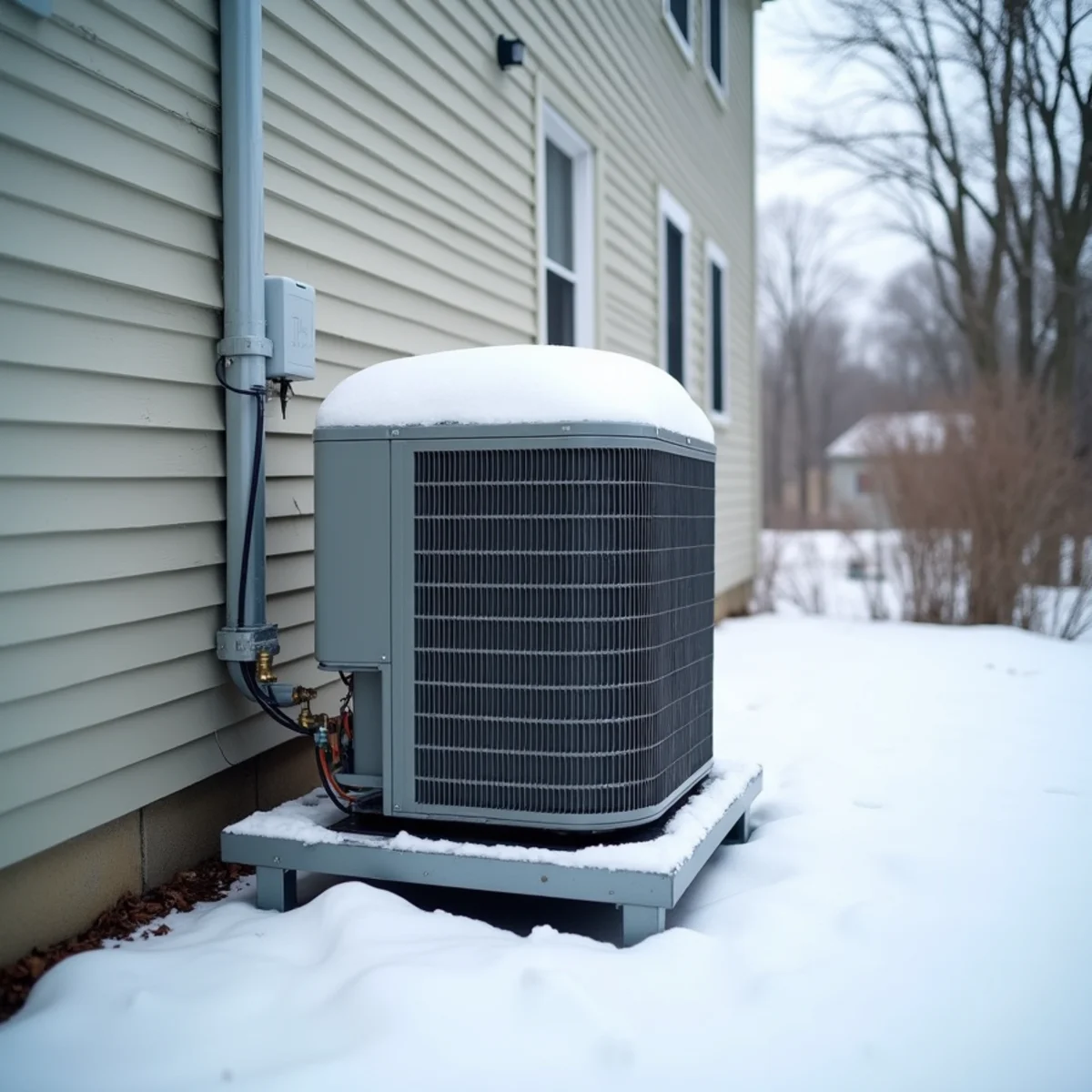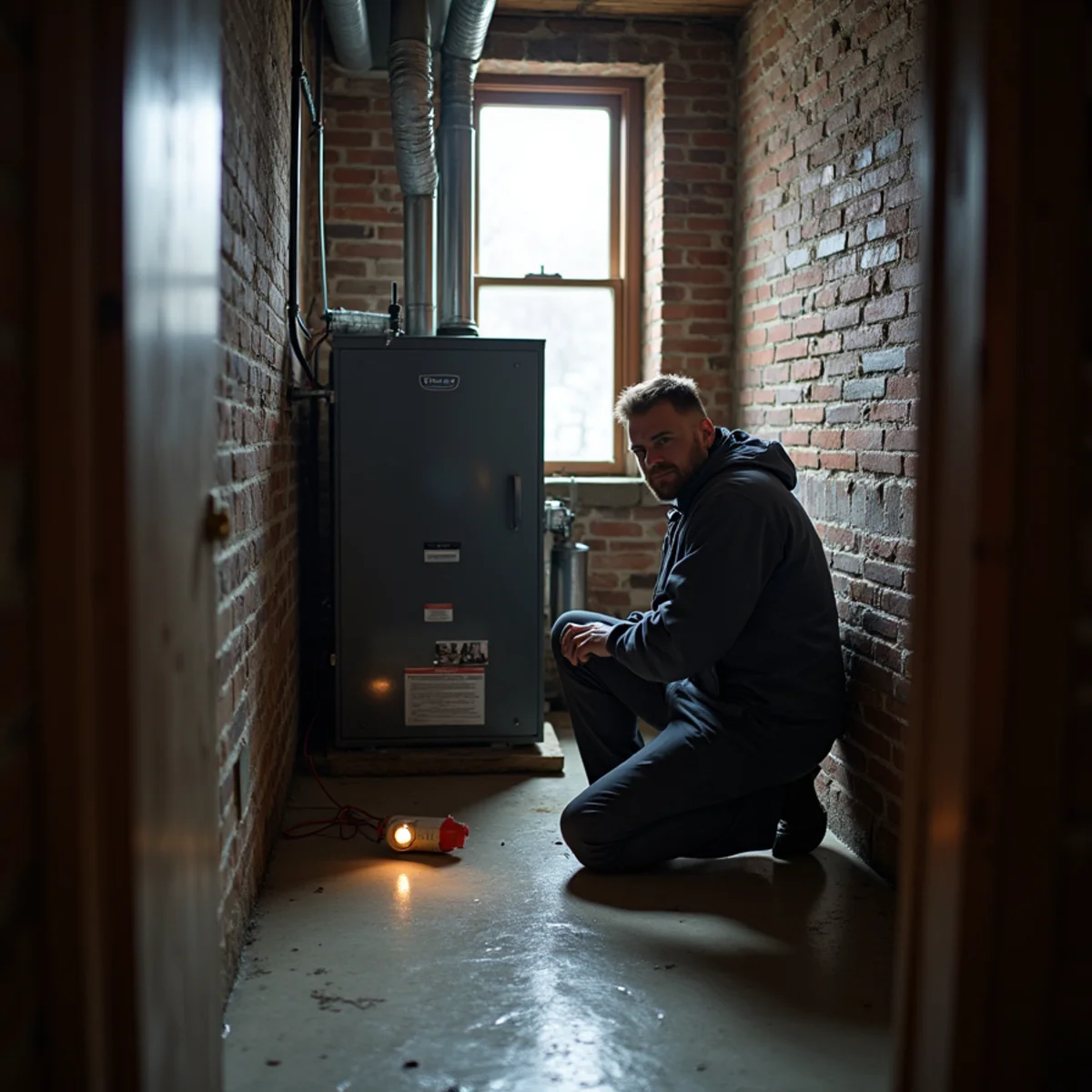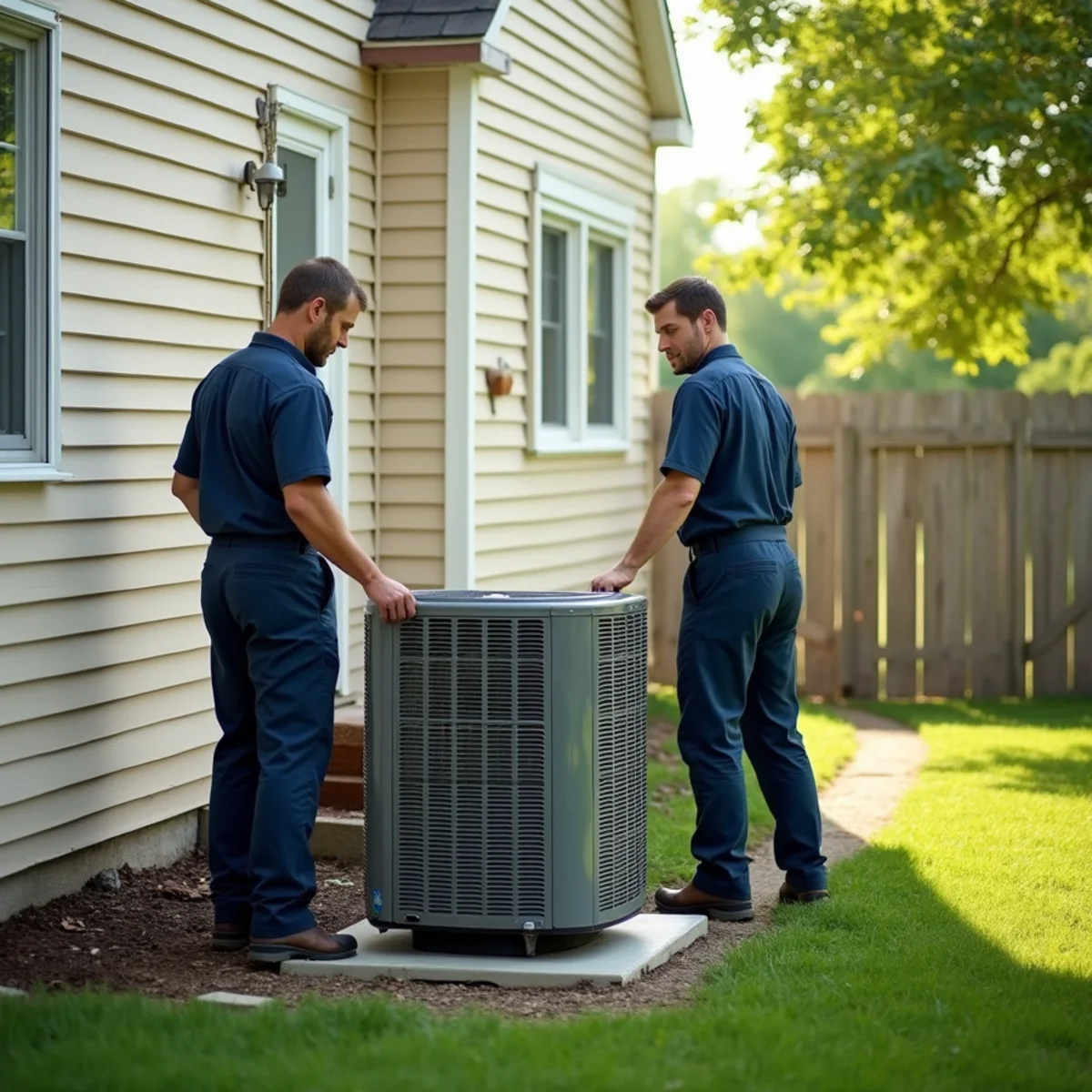
Signs it is time to replace instead of repair
These signs point toward replacement rather than another repair:
- Age. Gas furnaces typically last 15 to 20 years, and central AC about 15 to 20 years in this cooler climate.
- A major failure on old equipment. A cracked heat exchanger, a failed compressor or a leaking coil on a system near the end of its life.
- R-22 refrigerant. Production and import ended on January 1, 2020, so recharging an R-22 system relies on scarce, costly reclaimed supply.
- Repeat repairs over the last two or three seasons.
- Comfort problems that repairs never solved, such as cold rooms or a stuffy upstairs.
The technician explains the repair and replace options side by side, and the decision stays yours. If the unit just needs a part, start with furnace repair or AC repair.
Furnace replacement: gas, oil and high-efficiency condensing options
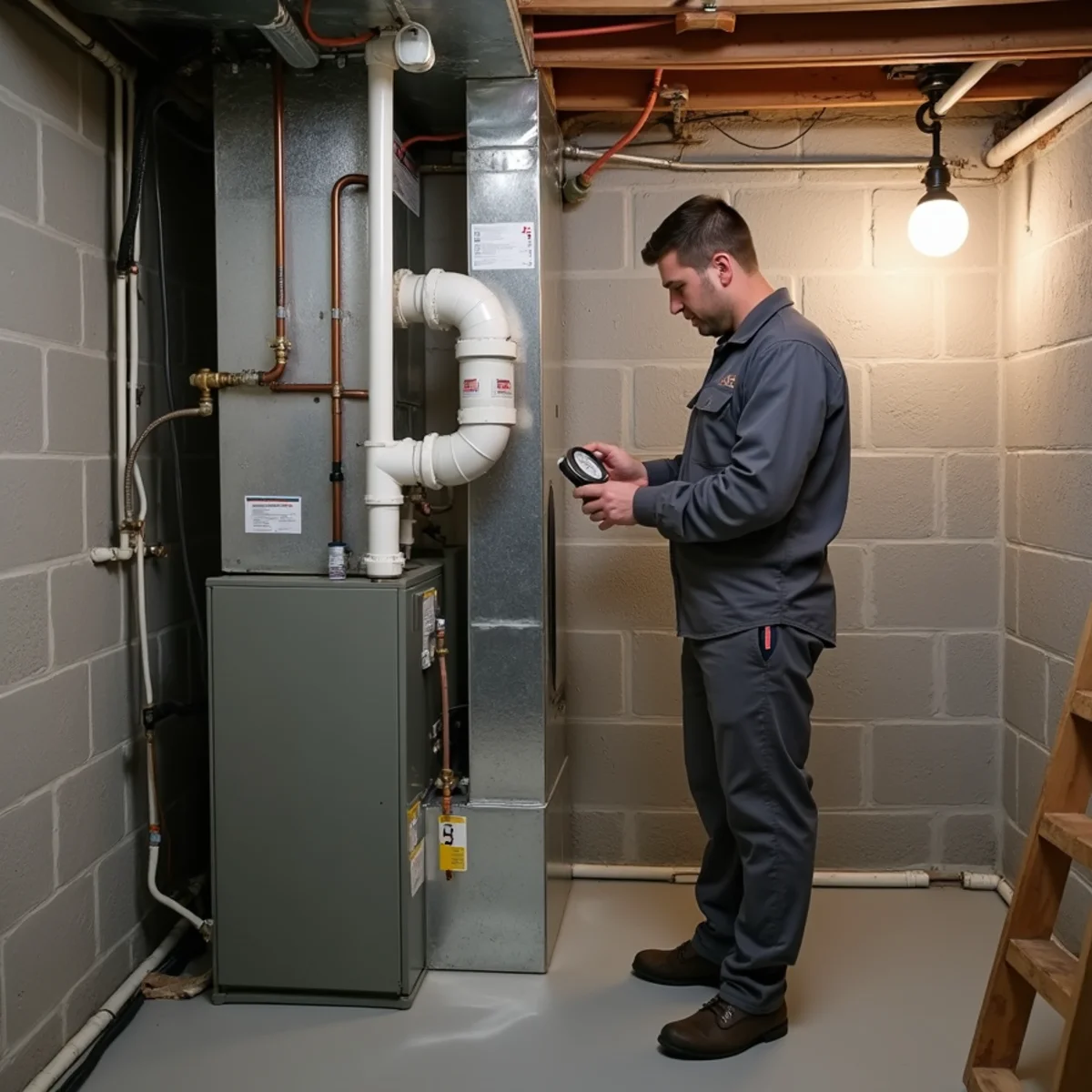
Most furnace replacement in the Newburgh area falls into one of three paths.
Standard-efficiency gas
Vents through the existing chimney. Simpler to install, but it burns more fuel over a long season.
High-efficiency condensing gas
Pulls enough heat from the exhaust that it vents through plastic pipe out a side wall and produces condensate that needs a drain. With winters this long, the fuel savings add up.
Safety warning: Removing a furnace from a masonry chimney can leave a water heater venting alone, and that chimney may then need a liner to vent safely. Ask that it be checked before the old furnace comes out.
Oil furnaces
Common in rural New Windsor, the Cornwall hills and parts of Walden and Washingtonville, where gas mains do not reach. A new oil furnace keeps the tank and fuel deliveries, and the chimney should be inspected for a liner at the same time.
Homes heated by a boiler and radiators have a separate set of choices; see boiler repair and replacement.
Central air installation and AC replacement
Central air in the Town of Newburgh usually means an outdoor condenser and an indoor coil on top of the furnace, sharing its ductwork. Two rule changes shape every new system:
- SEER2 ratings. Since January 1, 2023, efficiency is rated under a tougher test, so SEER2 numbers run lower than old SEER numbers for the same equipment.
- New refrigerants. Since January 1, 2025, new split systems ship with lower-GWP refrigerants such as R-454B or R-32. Existing R-410A systems stay serviceable.
A new outdoor unit needs a matching indoor coil built for the same refrigerant, so replacing only the condenser is rarely an option. If the furnace is also near the end of its life, replacing both together saves a second installation. If the furnace is younger and tests well, it can stay.
The AC season here peaks June through August, so booking a replacement in spring gives you more scheduling choice.
Adding central air to a house with no ducts: attic systems, ductless, or both
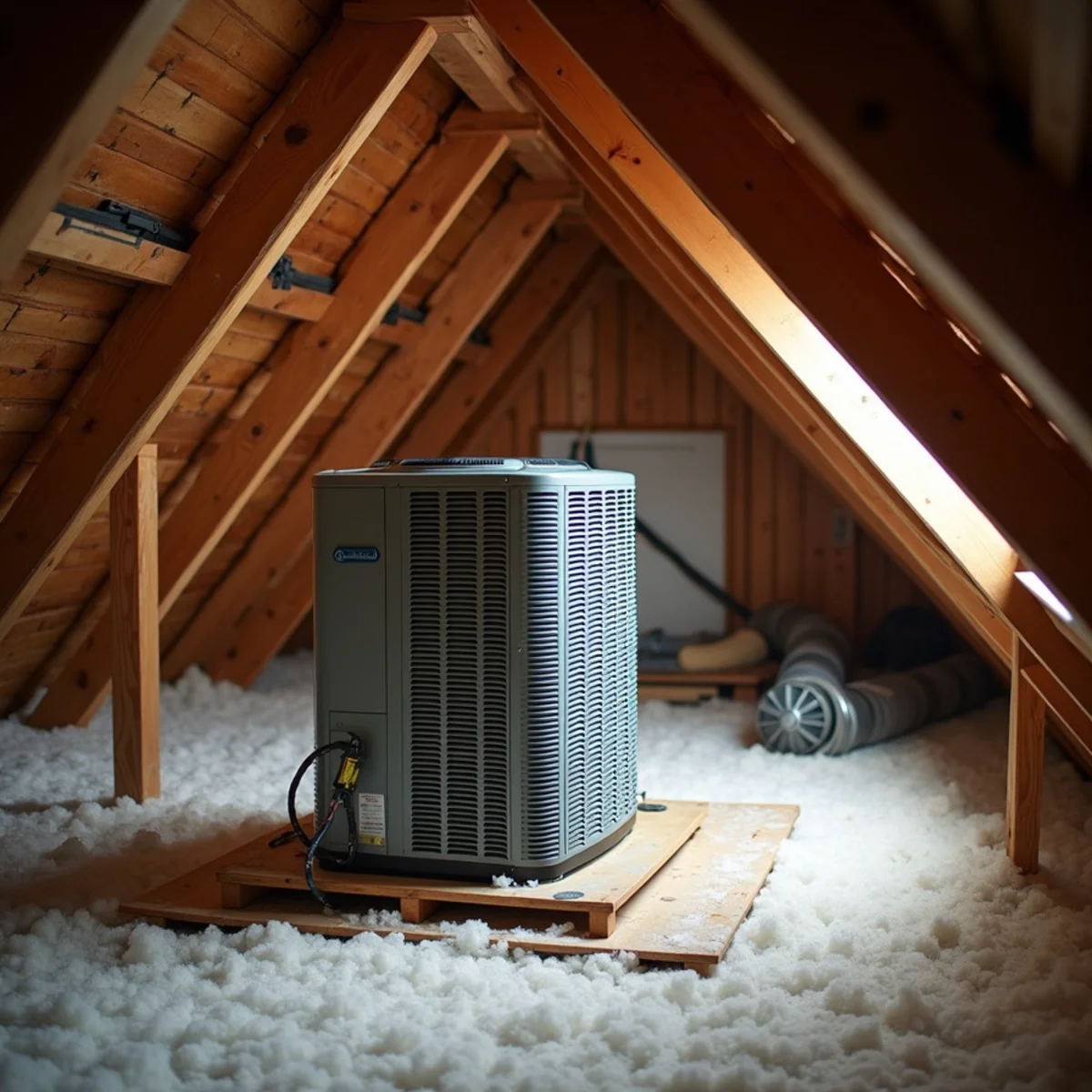
Many houses in the City of Newburgh, Beacon and Cornwall-on-Hudson were built around boilers and radiators, with no ductwork at all. There are three ways to add whole-house cooling.
Attic air handler with new ducts
An air handler in the attic feeds ceiling vents in the upstairs rooms, with a few ducts run down through closets to the first floor. It works well upstairs but can leave the ground floor short.
Ductless mini-splits
Wall-mounted heads in the main rooms, fed by small refrigerant lines through the walls. No new ducts, and the same units can heat in spring and fall. See ductless mini-splits and heat pumps.
A combination
An attic system for the bedrooms and a ductless head for the downstairs living space is a common middle path.
Our guide to cooling an old house without ductwork compares the trade-offs in plaster walls and low attics.
Oil-to-gas and oil-to-heat-pump conversions: gas availability, tank, chimney
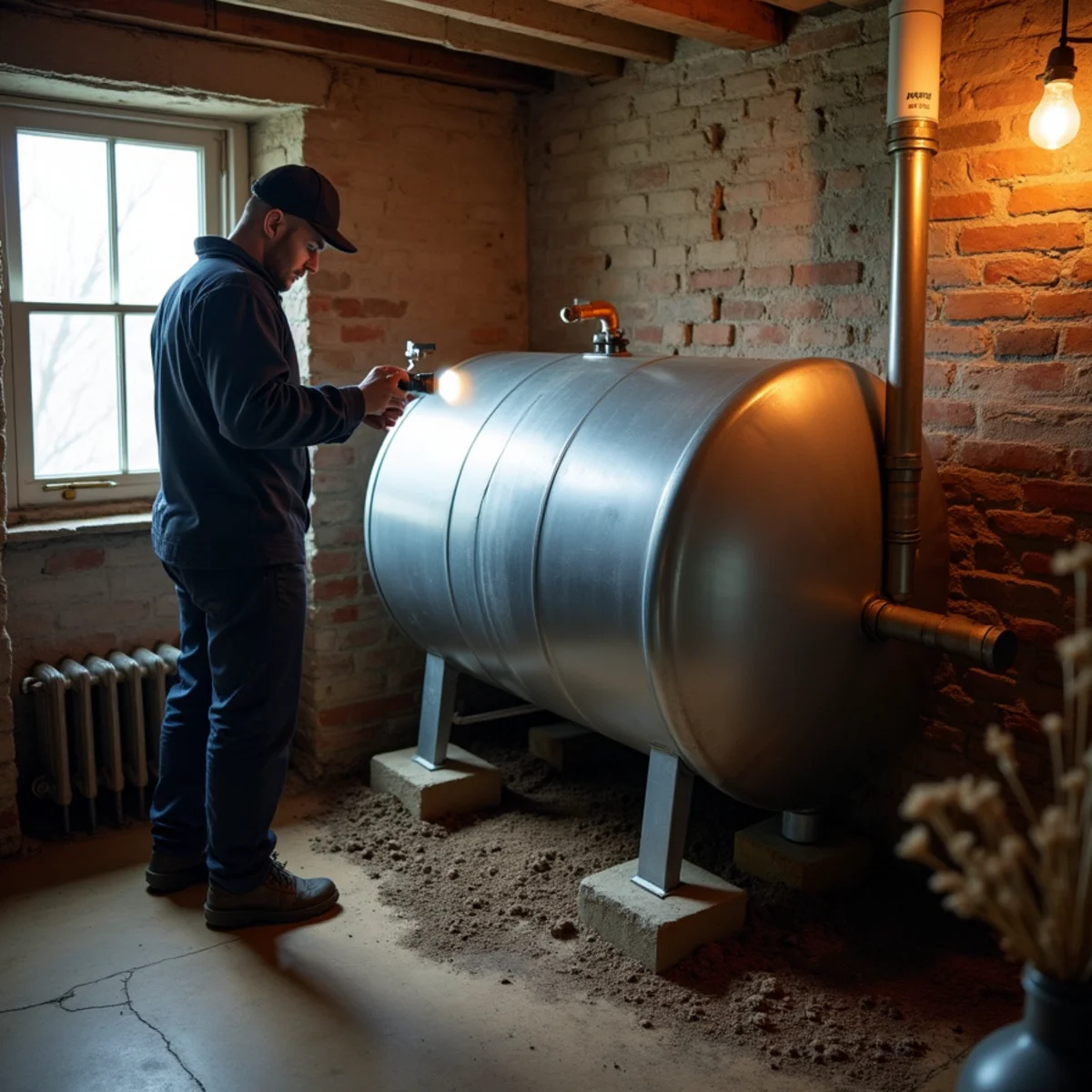
Oil to natural gas
- Gas availability. Central Hudson has to have a main on your street. Ask the utility whether service is available and how long a new connection takes.
- The oil tank. It must be emptied and removed or properly abandoned. Ask the installer and your fuel dealer what applies to your tank.
- The chimney. A new gas appliance in an old masonry chimney usually needs a liner, or a condensing unit that vents through the wall instead.
Oil to heat pump
Cold-climate heat pumps, ducted or ductless, can replace oil heat entirely or carry most of the load with the old system kept as backup. This path may qualify for NYS Clean Heat incentives through Central Hudson.
In rural New Windsor or the hills around Cornwall, where gas mains do not reach, a new oil system or a heat pump are usually the realistic choices.
Replacement paths compared
- Like for like. A new oil or gas furnace or boiler on the same fuel and the same ducts or radiators. The least disruption; compare efficiency by AFUE rating and plan the chimney or venting.
- Oil to gas. Needs a gas main at the street and a new service line, then the tank work and venting above. Common in the city and the denser parts of the Town of Newburgh.
- Oil to heat pump. Electric heating and cooling from one system, ducted or ductless. Needs a heat-loss calculation, electrical capacity and a plan for the coldest nights.
- Dual fuel. A heat pump paired with a gas or oil furnace that takes over in deep cold. It suits ducted Town of Newburgh homes that want cooling and lower fuel use without giving up combustion backup.
- Keep the boiler, add cooling. Radiator houses often keep a sound boiler and add ductless heads or a small attic air handler for summer.
Sizing a system for an older, leakier house: why a load calculation matters
The most common installation mistake is the wrong size. Copying the old furnace's label, or picking by square footage, ignores what actually drives the load.
A proper sizing follows the ACCA methods:
- Manual J works out how much heat the house loses on a design winter night and gains on a summer afternoon. It accounts for insulation, windows, air leakage and which way the house faces.
- Manual S picks equipment whose real output matches that load.
- Manual D checks that the ductwork can carry the airflow the new system needs.
Older houses here may be draftier than the original installer assumed, or tighter after new windows. Either way, the old equipment's size proves nothing. An oversized furnace short-cycles; an oversized AC cools fast but leaves the air clammy in a humid July.
ACCA publishes the Manual J load calculation method. Ask each installer for the load summary behind their quote.
Check the existing ducts before reusing them
Most replacements reuse the old ducts. Ask the installer to check basement and crawl-space runs for:
- Leaky joints and seams that lose air before it reaches a room
- Missing or wet insulation in cold crawl spaces
- Condensation and rust in a damp basement
- Joints pulled apart by freeze-thaw movement
- Undersized returns that starve a new blower
A cold back bedroom is often an airflow problem, not a sign the house needs a bigger furnace.
Thermostat compatibility
A two-stage or variable-speed system needs a thermostat that can call each stage. A heat pump needs one that controls its backup heat. Zoned houses need the zone panel checked too.
How an HVAC installation works, from first visit to permit closeout
A replacement is planned, not rushed. The order below is the same whether it is a furnace, a boiler, central air or a heat pump.
- Assessment. The technician looks at the existing equipment, the ducts or radiator piping, the chimney or venting, the electrical panel and, for oil, the tank.
- Load calculation. A room-by-room heat-loss and heat-gain calculation sets the size, instead of copying the old nameplate.
- Options compared. Like-for-like, a fuel change, a heat pump or a combination, each with what it involves for your house.
- Written price. Equipment model numbers, scope, permit, startup, disposal, warranty terms and payment terms, in writing, before you agree.
- Permit and scheduling. The installer pulls the permit with the city, town or village building department and books the work; gas conversions also wait on Central Hudson's service line.
- Installation. Old equipment out, new equipment in, with ducts, piping, venting, electrical and condensate drains completed.
- Startup and walkthrough. Combustion readings or refrigerant charge, airflow and safety controls are tested, and you are shown the thermostat, filters and maintenance needs.
- Inspection and closeout. The building inspector signs off, and you keep the permit papers, manuals, model and serial numbers and warranty registration.
Ask at step 4 who handles the inspection and closeout, so nothing is left open after the crew leaves.
Permits, inspections and rebates in Newburgh and Orange County
Furnace, boiler and AC replacement generally needs a permit from the building department for your address: the City of Newburgh Building Department inside the city, or the town or village building department elsewhere in Orange County and across the river in Dutchess, throughout our service areas. The contractor normally pulls the permit, and an inspector reviews the work afterward. Be wary of any installer who suggests skipping it.
Before you sign, ask who pulls the permit, who schedules the inspection, and who handles closeout once the inspector signs off. Keep the closed permit with your house records.
Credentials and insurance to ask for
- Refrigerant work. Anyone who handles refrigerant needs EPA Section 608 certification. Ask which technician on your job holds it.
- Insurance. Ask for the installing company's legal business name and proof of insurance.
- Local licensing. New York has no statewide HVAC license, so ask what your city or town requires.
A website claim, ours included, is not proof of a specific license or certification.
Rebates and incentives
- Heat pumps. NYS Clean Heat incentives through Central Hudson apply to qualifying heat pumps installed by a participating contractor. Amounts and rules change, so check the Central Hudson program page before signing. Our Central Hudson heat pump rebate guide explains how it works.
- Orange & Rockland customers. Some Orange County addresses are served by a different electric utility. Use the utility on your bill.
- Federal credits have been cut back. Ask about current federal rules rather than counting on one.
- Get it in writing. Treat any incentive as unconfirmed until the participating contractor shows it on the written quote.
What affects installation cost, and what a quote should list
Every quote should be written and specific to your house. These factors move the price:
- Equipment type and capacity, set by the load calculation
- Efficiency and staging, from single-stage to variable-speed
- Fuel change, such as a new gas line, tank removal or a heat pump conversion
- Venting, including a chimney liner or new side-wall PVC
- Ductwork sealing, resizing or new runs
- Electrical work, such as a new circuit or panel capacity for a heat pump
- Access, in tight basements, crawl spaces or low attics
- Permit and inspection requirements for your address
What the written quote should list
Model numbers for each piece of equipment, capacity and efficiency ratings, what is removed and hauled away, line set and venting work, permit responsibility, start-up checks, and manufacturer warranty terms with who registers them. For what repairs typically involve before you decide, read what drives heating repair cost in Newburgh.
Payment terms
The quote should also list the deposit, when each payment is due, what triggers the final payment, and the cancellation terms once equipment is ordered.
For a full replacement, compare at least three written quotes line by line.
Comparing quotes line by line beats comparing bottom lines.
Startup testing and warranty handoff
Startup is more than turning up the thermostat. Before the installer leaves, the system should be tested and the results written down. Depending on the equipment, expect:
- Operating sequence. The system starts, runs and shuts down in the right order through a full cycle.
- Airflow and temperature. Blower speed set for the ducts, and the furnace temperature rise or AC coil temperature drop within the manufacturer's range.
- Combustion or refrigerant. Combustion readings and draft on gas and oil equipment; refrigerant pressures on AC and heat pumps.
- Condensate. Drains, traps and any condensate pump carry water away.
- Safety devices. Limit, rollout and float switches work as designed.
- Equipment match. The outdoor unit, indoor coil and furnace or air handler are a matched set.
What you should get at handoff
- Owner's manuals
- Model and serial numbers for every piece of equipment
- Warranty registration: who registers it and by when. Some manufacturers shorten parts coverage on unregistered units.
- The labor warranty in writing. Parts coverage comes from the manufacturer; labor coverage comes from the installing company.
- Filter size and maintenance schedule
- The permit and inspection paperwork
Why call Newburgh Bay Air Pros for HVAC installation
A new system should run well for many years, and most of that depends on sizing and installation. Here is what you can count on.
Sized to your house
Equipment is selected from a load calculation, not copied from the old unit's label, which matters in older and remodeled homes.
Written price before anything is ordered
You approve a written price that lists the equipment, the scope and the permit before work starts, so you can compare quotes line by line.
Licensed and insured technicians
Every HVAC technician we send is licensed where New York requires it, and insured. The installer normally pulls the permit for your address.
Every fuel on the table
Gas, oil and heat pump options are explained for your street, including whether gas service is available and what a conversion involves.
HVAC Installation and Replacement Across Newburgh and Nearby Towns
Calls come in from all over our HVAC service area around Newburgh. These are the towns we hear from most for hvac installation:
We also cover Fishkill, Walden and Washingtonville.
HVAC Installation and Replacement FAQs
How long does a furnace or AC replacement take?
A straightforward furnace or central AC replacement is often finished in one day. Replacing both together, adding a chimney liner, changing ductwork or installing a condensing furnace with new venting can stretch it to two. Oil-to-gas conversions take longer overall, because the gas service connection is scheduled by Central Hudson. The installer gives you a realistic schedule with the written quote.
Can I convert from oil to natural gas at my address?
Only if Central Hudson has a gas main on your street that can serve the house. Many homes in the City of Newburgh and the denser parts of the town have access, while rural New Windsor, the Cornwall hills and parts of Walden and Washingtonville often do not. Ask the utility first. If gas is available, the conversion also covers the oil tank and usually a chimney liner or side-wall venting.
What size furnace or air conditioner does my house need?
The right answer comes from a Manual J load calculation, not from square footage or the old unit's label. It accounts for insulation, windows, air leakage and orientation. Two houses of the same size can need very different equipment, and many older systems were oversized. An oversized furnace short-cycles and an oversized AC leaves the house clammy, so ask every installer how they sized their quote.
Are rebates available for new heating and cooling equipment?
For heat pumps, often yes. NYS Clean Heat incentives through Central Hudson apply to qualifying heat pumps installed by a participating contractor. Amounts and rules change, so check the Central Hudson program page and confirm in writing before you sign. Clean Heat does not cover gas or oil furnaces. Federal tax credits have been cut back, so ask about current federal rules.
Should I replace my furnace and air conditioner at the same time?
Often, but not always. The AC coil usually sits on the furnace, and a new outdoor unit needs a matching coil for its refrigerant. If both pieces are about the same age, as they are in many Meadow Hill and Colden Park houses, replacing them together saves a second installation. If the furnace is younger and tests well, keeping it can make sense. The technician should explain both options.
What happens to my old oil tank if I switch fuels?
It is emptied and then removed or properly abandoned in place, usually by a tank contractor rather than the HVAC installer. Ask for written proof of how it was handled, since buyers, insurers and lenders often ask. Your fuel dealer can pump out remaining oil, and the town or village building department can tell you if any local rules apply to your tank.
What should an HVAC replacement quote include?
The load calculation behind the size, model numbers with capacity and efficiency ratings, duct, venting and electrical changes, removal of the old equipment, the permit and who pulls it, startup testing, and warranty terms. It should also list the deposit, payment milestones and cancellation terms. For a full replacement, compare at least three written quotes line by line.
Does refrigerant work require a special credential?
Yes. Anyone who handles refrigerant on an AC or heat pump needs EPA Section 608 certification. A general claim on a website does not show that the technician on your job holds it, so ask which technician will handle the refrigerant and whether they are certified. Ask for the company's proof of insurance at the same time.
Last reviewed by Newburgh Bay Air Pros. Checked before each heating and cooling season.