Why ductless fits Newburgh's radiator-heated homes
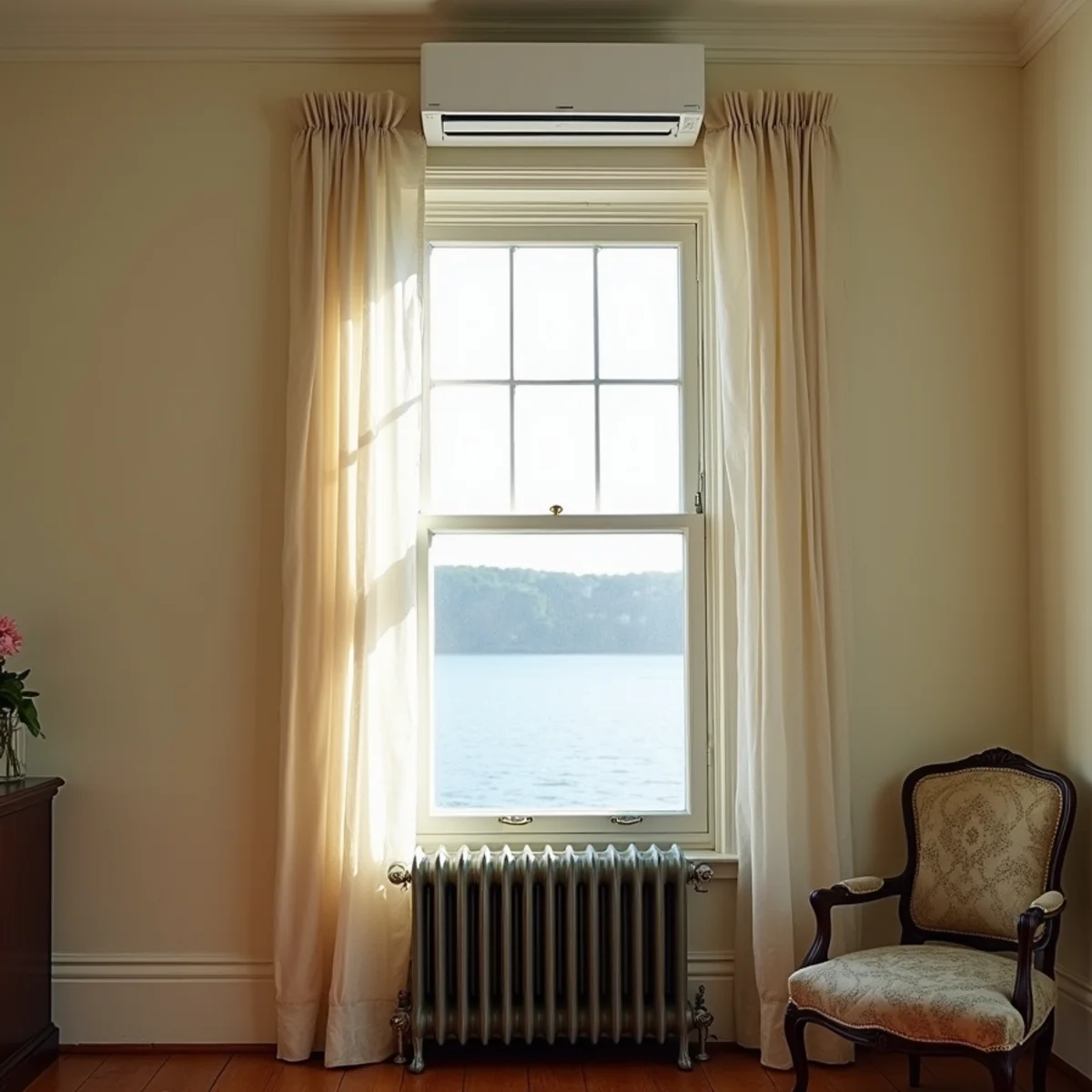
More than half of the houses in the City of Newburgh were built before 1940. Most were designed around a steam or hot water boiler and cast-iron radiators, so they have no ductwork for central air. Cooling has usually meant noisy window units.
A ductless mini-split pairs an outdoor heat pump with one or more indoor heads, joined by a refrigerant line set that passes through a hole about three inches across. No duct runs through plaster ceilings, and no trim gets torn out.
- Cooling where you live and sleep, with quiet indoor heads instead of window units
- Efficient heat in spring and fall, so the boiler fires less often in shoulder seasons
- Room-by-room control, useful in two- to four-family houses and in top floors that run hot
If you are still weighing window units, portable units and ductless, our guide to cooling an old house with no ductwork compares them honestly.
Single-zone vs multi-zone: bedrooms, attics, additions or the whole house
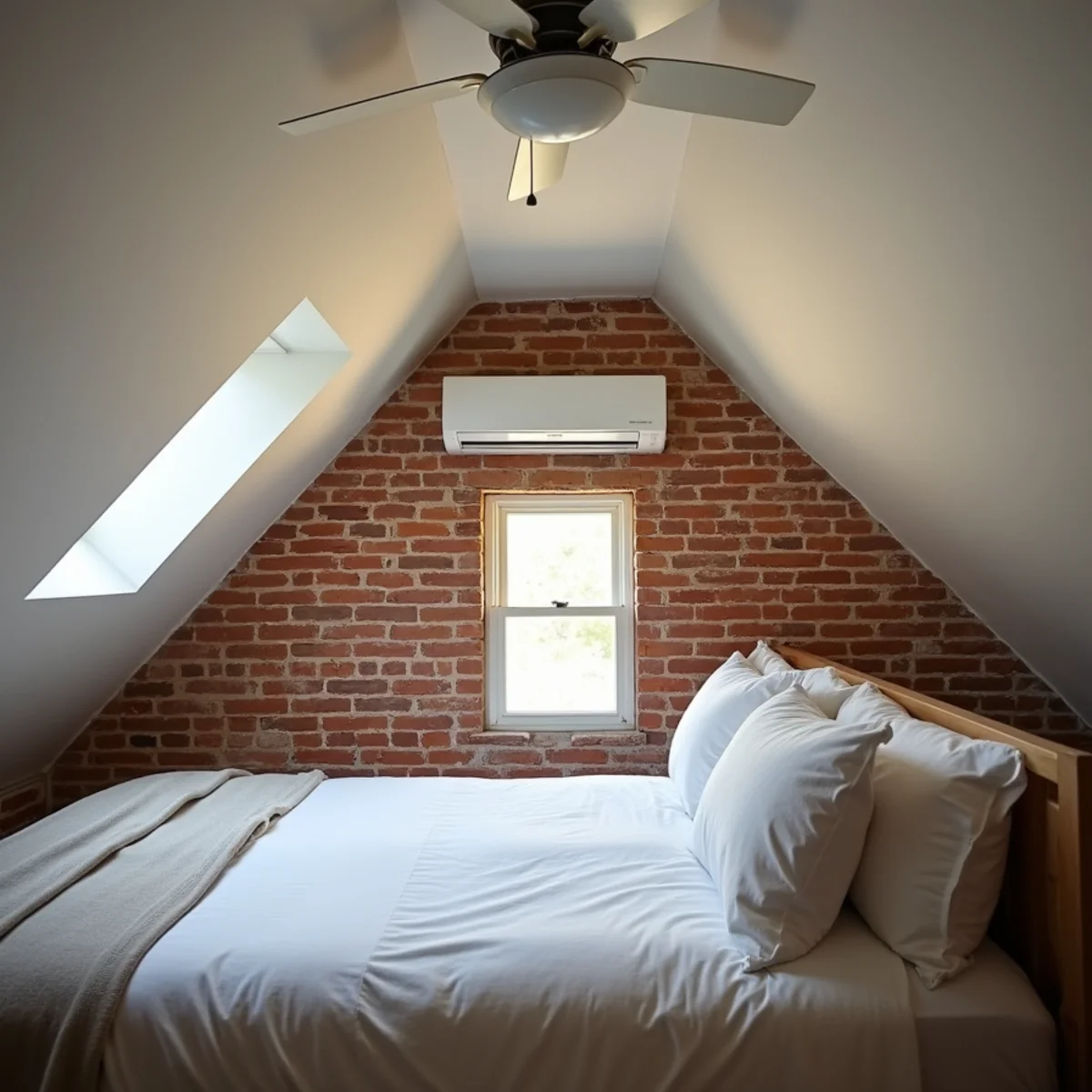
A single-zone system is one outdoor unit and one indoor head. It suits a single problem space: a third-floor bedroom under the roof, a converted attic, a sunroom or a rear addition the radiators never reached.
A multi-zone system runs several indoor heads from one outdoor unit. It saves space on a narrow city lot, but every head shares that unit's capacity.
How the technician decides
- Room loads. A south-facing attic bedroom needs more cooling than a shaded back parlor of the same size.
- Doors and floor plan. One head rarely cools a closed-off bedroom down the hall.
- Head styles. Wall heads are most common; ceiling cassettes, floor consoles and small ducted units suit other rooms.
- Whole-house goals. Heating the entire house with heat pumps takes more zones and more capacity than cooling a few rooms.
Ask for a room-by-room load estimate; oversized heads short-cycle.
Which head style fits an older house
- Wall-mounted heads. The usual choice: mounted high on an exterior wall, with the shortest line set run. Plaster and brick walls take them well.
- Ceiling cassettes. Recessed into the ceiling where wall space is taken by tall windows, built-ins or radiators. They need a ceiling cavity deep enough, which a top-floor room under an attic often has.
- Floor consoles. Sit low where a radiator once was, or under a sloped attic ceiling with no high wall. They are good at spreading heat along the floor.
- Slim ducted units. A small air handler hidden in an attic or closet feeds two or three nearby rooms through short ducts, so no head shows in the rooms. They suit a top floor with an accessible attic above.
One outdoor unit can run several heads of mixed styles, up to the capacity and number of connections that model allows.
That estimate should be an ACCA Manual J load calculation for each room, followed by Manual S equipment selection, which matches the heads and outdoor unit to those loads.
Cold-climate heat pumps: heating through a Hudson Valley winter
Older heat pumps lost capacity fast once temperatures fell into the 20s. Current cold-climate models are different. Many keep producing useful heat well below zero, and January lows in Newburgh average near 18°F.
What to check before you buy:
- Published low-temperature capacity. Look at how much heat the model delivers at 5°F and below, not only its rating at milder temperatures.
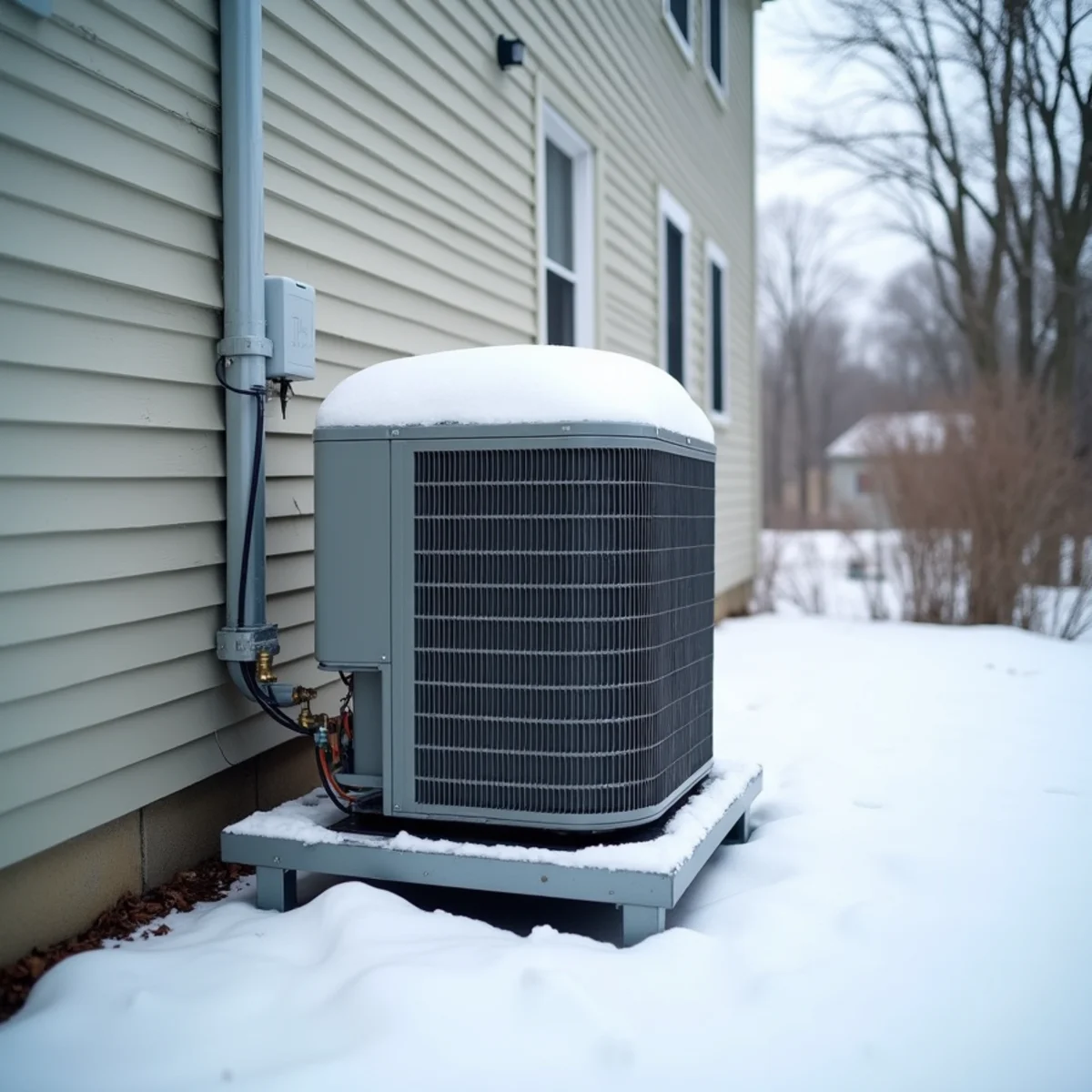
- Snow clearance. Outdoor units should sit on a stand or wall bracket above the typical snow line, with a clear path for defrost water to drain and not refreeze on a walkway.
- Defrost behavior. Short heating pauses with steam off the outdoor unit are normal.
- Sizing for heat, not just cooling. A system sized only for summer will fall short on the coldest nights.
- Backup heat. With no boiler or furnace to fall back on, ask what heats the house during a deep cold snap or a breakdown.
- Electrical capacity. Confirm the panel and service can carry the new circuits before the equipment is chosen.
Reading cold-climate ratings
- Inverter compressor. Cold-climate mini-splits use variable-speed inverter compressors that slow down instead of cycling on and off, which keeps rooms even and helps in deep cold.
- HSPF2 and SEER2. Heating and cooling efficiency ratings; higher is better. Compare them between models of the same capacity.
- Cold-climate listings. The Northeast Energy Efficiency Partnerships (NEEP) cold-climate heat pump list and ENERGY STAR's cold-climate designation show low-temperature performance data for qualifying models.
- Dry mode. Most heads have a dehumidify setting that helps on muggy Hudson Valley days without overcooling the room.
Heat pumps built since January 2025 generally use lower-GWP refrigerants such as R-454B or R-32. Existing R-410A systems remain serviceable.
Keeping the boiler as backup vs going all-electric
Most Newburgh owners who add heat pumps keep the boiler, at least at first.
Keeping the boiler
The heat pumps carry the house through fall, spring and milder winter days, and the boiler takes over on the coldest nights. Radiators stay, and one failure no longer leaves the house cold. The boiler still needs its yearly service; our boiler repair page covers what that involves for steam and hot water systems.
Going all-electric
Removing the boiler means the heat pumps must cover the full heating load, which usually means more indoor heads, cold-climate equipment and a careful load calculation. It can also mean an electrical service upgrade in a house still on a small panel. Oil-heated homes often consider it once the tank or boiler ages out.
The choice affects which incentives may apply. Settle the design first, then confirm current incentive rules before signing.
Ductless mini-split installation day: line sets, condensate, electrical and outdoor unit placement
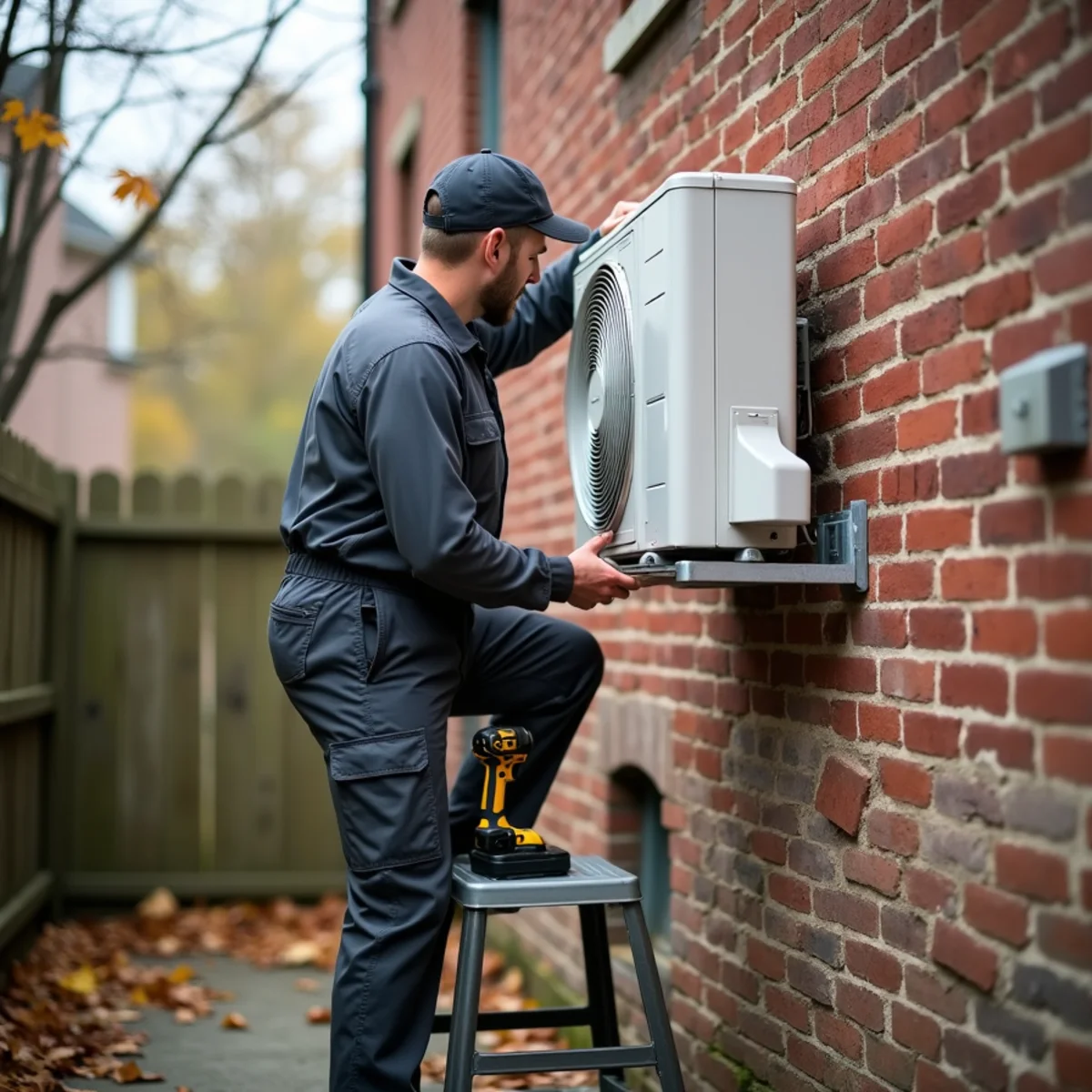
A typical single-zone install takes a day; multi-zone systems take longer. The work runs in this order:
- Layout walk-through. You agree on head locations, the line set route and the outdoor unit spot before drilling.
- Wall penetrations. Holes are cored cleanly and sealed.
- Line sets and covers. Copper lines, drain and control cable run inside walls where possible, otherwise in a paintable cover.
- Condensate. The drain is pitched to the outside. Where gravity cannot work, a small condensate pump goes in.
- Electrical. A dedicated circuit and an outdoor disconnect are added. Older houses may need panel work, done by an electrician.
- Pressure test and vacuum. Lines are pressure tested for leaks and evacuated to remove air and moisture. Refrigerant work is done by EPA Section 608 certified technicians.
- Start-up. Heating and cooling are checked at each head, and you are shown the remote and filters.
For projects with ducted equipment or a furnace change, see HVAC installation and replacement.
Permits and inspection
The new circuit generally needs an electrical permit and inspection, and some projects also need a building permit. Ask who pulls it, who schedules the inspection and who handles closeout.
Startup testing and handoff
Startup should verify the refrigerant charge (long line sets need refrigerant weighed in), test each drain with water and check every control. You should leave with model and serial numbers, any refrigerant added, warranty registration and the permit paperwork.
Homes in the East End Historic District: equipment off the street side and city review rules

Newburgh's East End Historic District covers a large share of the old city's brick rowhouses and Victorians, and the Montgomery-Grand-Liberty Streets district adds more. Exterior changes there generally go through the city's architectural review process, and a mini-split adds visible equipment: an outdoor unit, a line set and sometimes a wall cover.
Practical rules that keep projects moving:
- Check with the city before installing anything on a street-facing wall or roof. Ask what the review requires for your address.
- Use the rear or a side yard for outdoor units wherever the lot allows, and run line sets inside or along back walls.
- Match colors. Line set covers can be painted to blend with brick or trim.
Plan the layout so review is simple: equipment off the street side and minimal visible piping. Beacon's Main Street area raises similar questions; see our Beacon service page.
NYS Clean Heat incentives through Central Hudson: cost, how they work and who qualifies
NYS Clean Heat is the statewide heat pump incentive program, delivered by the utilities. For most Newburgh homes it runs through Central Hudson. Some Orange County addresses are Orange & Rockland electric customers, so use the utility on your electric bill.
How the incentives work
- Through a participating contractor. Incentives are paid through contractors enrolled in the program, and an enrolled installer handles the paperwork. Not every installer is enrolled, so ask before you sign and get the incentive shown on the written price.
- Equipment must qualify. Only listed heat pump models count, and the system design must meet program rules.
- Amounts and rules change. Check the Central Hudson heat pump program page before you sign, and confirm eligibility in writing.
Count an incentive as pending until it is confirmed in writing. Newburgh Bay Air Pros dispatches independent technicians, so ask whether the specific installer quoting your job is a participating contractor, and check current rules on Central Hudson's heat pump incentive page.
Federal tax credits have been cut back, so ask about current federal rules. Our post on Central Hudson heat pump rebates explains the steps.
What drives the installed cost
Number of heads, line set length, outdoor unit mounting, brick or plaster walls, panel capacity and cold-climate equipment. A written quote should list each.
Comparing written quotes
Compare quotes line by line: model numbers and low-temperature capacity, heads, line sets, electrical work, permits, startup testing, warranty registration, and any incentive as a separate, pending line.
Mini-split and heat pump maintenance
Ductless systems run in both seasons, so they need more care than a summer-only AC.
- Washable filters. Rinse the indoor filters about monthly in heavy use, or as the manual says.
- Outdoor unit. Keep it above the snow and clear it after storms. Do not let roof drip build ice on it.
- Condensate. Make sure the drain outlet outside is not blocked or frozen.
- Yearly service. A technician cleans the indoor coil and blower wheel and checks the drain, connections, defrost and pressures.
Mini-split and heat pump repair: not heating, not cooling, leaking, error codes
Not heating
Confirm Heat mode and clean filters. A short pause with steam off the outdoor unit is normal defrost. An outdoor unit iced solid needs a technician; do not chip at the coil.
Not cooling
Dirty filters and a blocked outdoor coil are common. Weak cooling from every head can mean a refrigerant leak. Our AC repair page covers refrigerant problems in more depth.
Water dripping from an indoor head
Usually a clogged condensate line or a failed condensate pump. Switch the unit off and place a towel below it.
Blinking lights and error codes
Note the code and model number, and do not keep power-cycling the unit.
Diagnosis first
A diagnostic visit finds the cause but does not commit you to a repair. Nothing is replaced until you approve a written price.
Safety warning: Never open the outdoor unit or try to add refrigerant yourself. Refrigerant work requires EPA Section 608 certification. If a heat pump fails on a freezing night with no backup heat, treat it as an emergency HVAC call.
Service covers Newburgh, New Windsor, Cornwall and the rest of our service areas.
Why call Newburgh Bay Air Pros about ductless and heat pumps
A ductless project in an older house is mostly planning: where heads go, how lines run and what the city and the utility require. Here is what you can count on.
Planned around older houses
Layouts account for plaster walls, brick, party walls and narrow lots, and outdoor units go off the street side where the lot allows.
Written price before work starts
You approve a written price that lists the equipment, number of heads and installation scope before anything is ordered.
Licensed and insured technicians
Every HVAC technician we send is licensed where New York requires it, and insured. Refrigerant work is handled by EPA Section 608 certified technicians.
Honest about incentives
Clean Heat rules and amounts change. You are pointed to the current Central Hudson program page instead of a figure that may be out of date.
Repair as well as install
Calls about mini-splits that stop heating, cooling or draining are answered 24/7 at (321) 478-0693.
Ductless Mini-Splits and Heat Pumps Across Newburgh and Nearby Towns
Calls come in from all over our HVAC service area around Newburgh. These are the towns we hear from most for ductless & heat pumps:
- Ductless & Heat Pumps in New Windsor
- Ductless & Heat Pumps in Beacon
- Ductless & Heat Pumps in Cornwall
We also cover Fishkill, Walden and Washingtonville.
Ductless Mini-Splits and Heat Pumps FAQs
Can a heat pump really heat a Newburgh home in January?
A cold-climate heat pump can, if it is sized for the heating load and installed well. Many current models keep producing useful heat below zero, while Newburgh's January lows average near 18°F. Check each model's published low-temperature capacity, and keep the outdoor unit above snow height. Many owners keep the boiler as backup for the coldest nights, which also protects the house if either system fails.
How many indoor units does my house need?
It depends on the rooms you want covered and how the house is laid out. Open floors can share a head, but closed-off bedrooms usually need their own. Cooling a few rooms takes fewer heads than heating the whole house. A typical Newburgh rowhouse might need one head per floor for cooling and more for full heating. The installer should base the count on a room-by-room load estimate, not a guess.
Do I qualify for a Central Hudson Clean Heat incentive?
Possibly. NYS Clean Heat incentives go to customers of participating utilities, including Central Hudson, when qualifying heat pumps are installed by a participating contractor. Eligibility depends on the equipment, the system design and current program rules, which change. Check Central Hudson's heat pump program page, ask the installer to confirm in writing before you sign, and see our rebate guide.
Can I keep my radiators and add ductless for cooling only?
Yes, and it is one of the most common setups in Newburgh's older houses. The boiler and radiators keep heating the house, and the mini-split heads handle summer cooling and dehumidification. Because the same units can also heat, many owners use them in spring and fall to give the boiler a rest. Keep up the boiler's yearly service either way; our boiler repair page explains why.
Will a mini-split installation damage my plaster walls or brick?
It should not when it is planned well. Each indoor head needs a small cored hole for the line set, which is sealed inside and out. Brick is drilled with masonry bits and patched with matching mortar where needed. Most of the work happens on one wall per head. Ask the installer to walk the line set route with you before drilling, especially in older East End homes with original plaster.
How long does a mini-split installation take, and how big is the hole?
Each line set passes through one hole in the outside wall, typically about three inches across, sealed and covered when the job is done. A single-zone system is often installed in a day; multi-zone systems, longer line set runs, new electrical circuits or a permit inspection add time. The technician gives you the expected schedule with the written price, after the layout walk-through.
How much does a mini-split installation cost in Newburgh?
It depends on the house. The number of heads, outdoor unit capacity, cold-climate rating, line set length, brick or plaster walls, electrical or panel work and permits all move the price. You approve a written, itemized price before anything is ordered, and any incentive should appear as a separate line until it is confirmed.
Do I need a permit to install a mini-split in Newburgh?
Generally yes for the electrical work, and some projects also need a building permit from the city or town building department for your address. The installer normally pulls it, but before work starts, confirm in writing who pulls the permit, who schedules the inspection and who handles closeout.
Does mini-split line set work require a certified technician?
Yes. Connecting line sets, pressure testing, evacuating, adjusting the charge and repairing leaks all involve the refrigerant circuit, which requires EPA Section 608 certification. Ask which technician on the job holds it. Homeowners should not open the outdoor unit or add refrigerant themselves.
Last reviewed by Newburgh Bay Air Pros. Checked before each heating and cooling season.