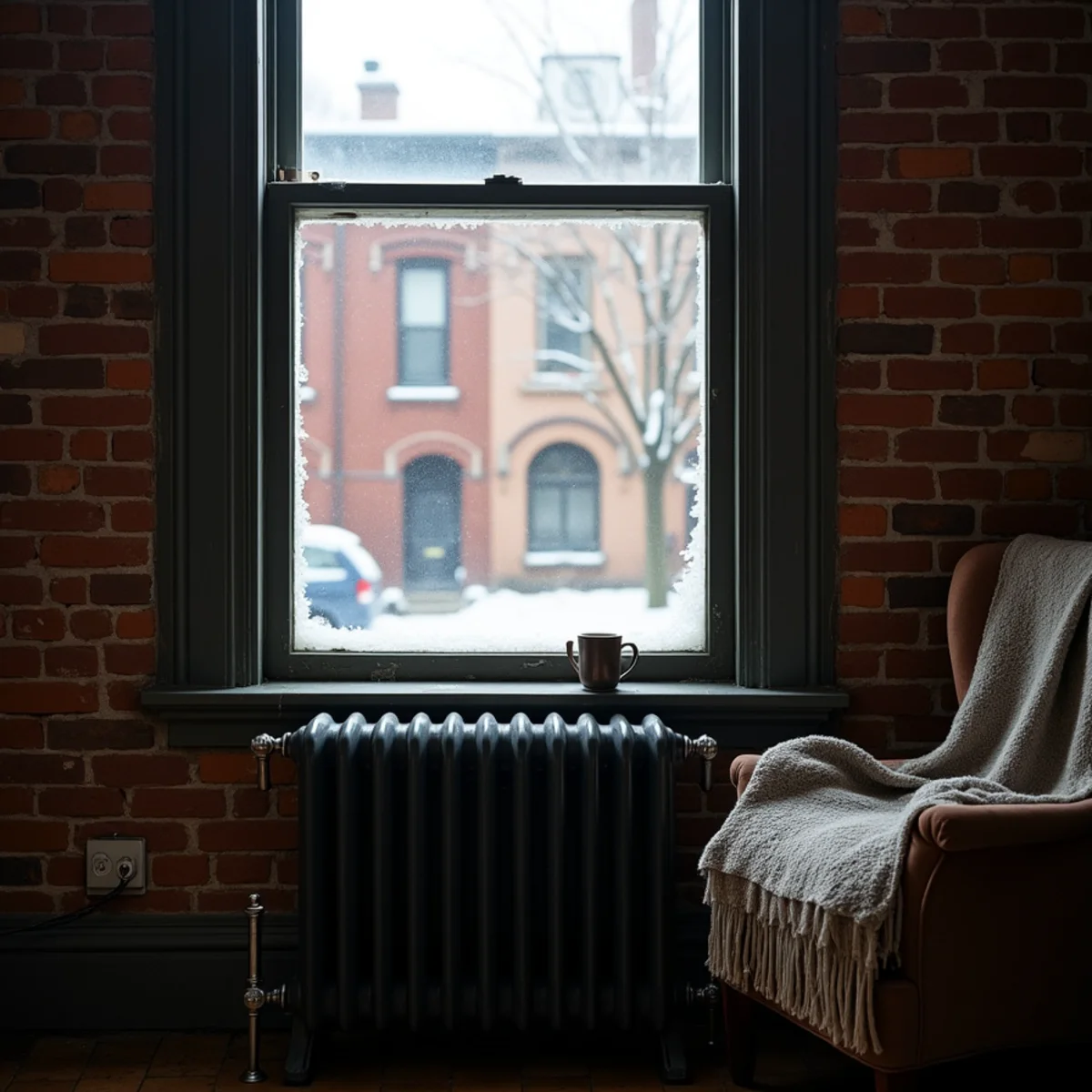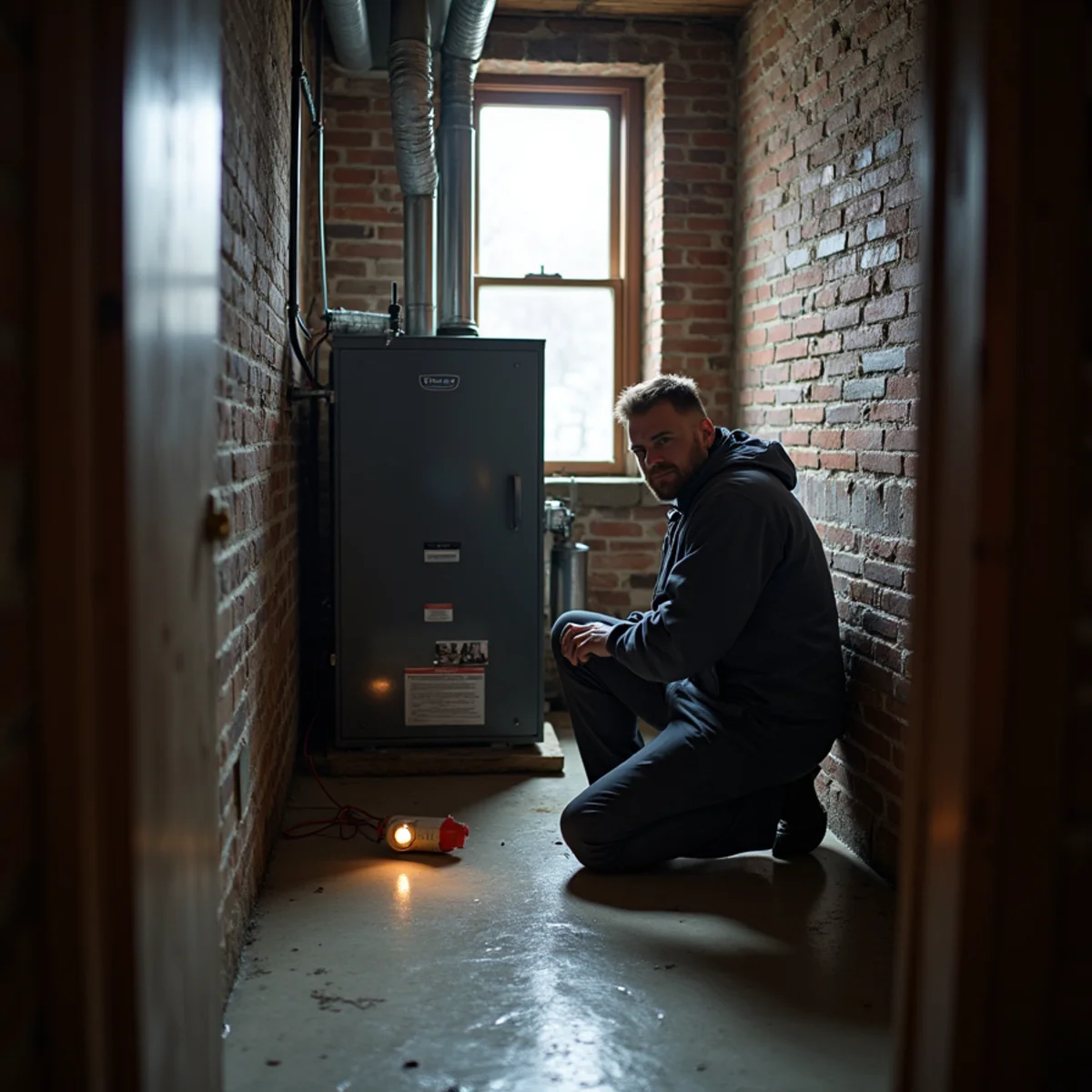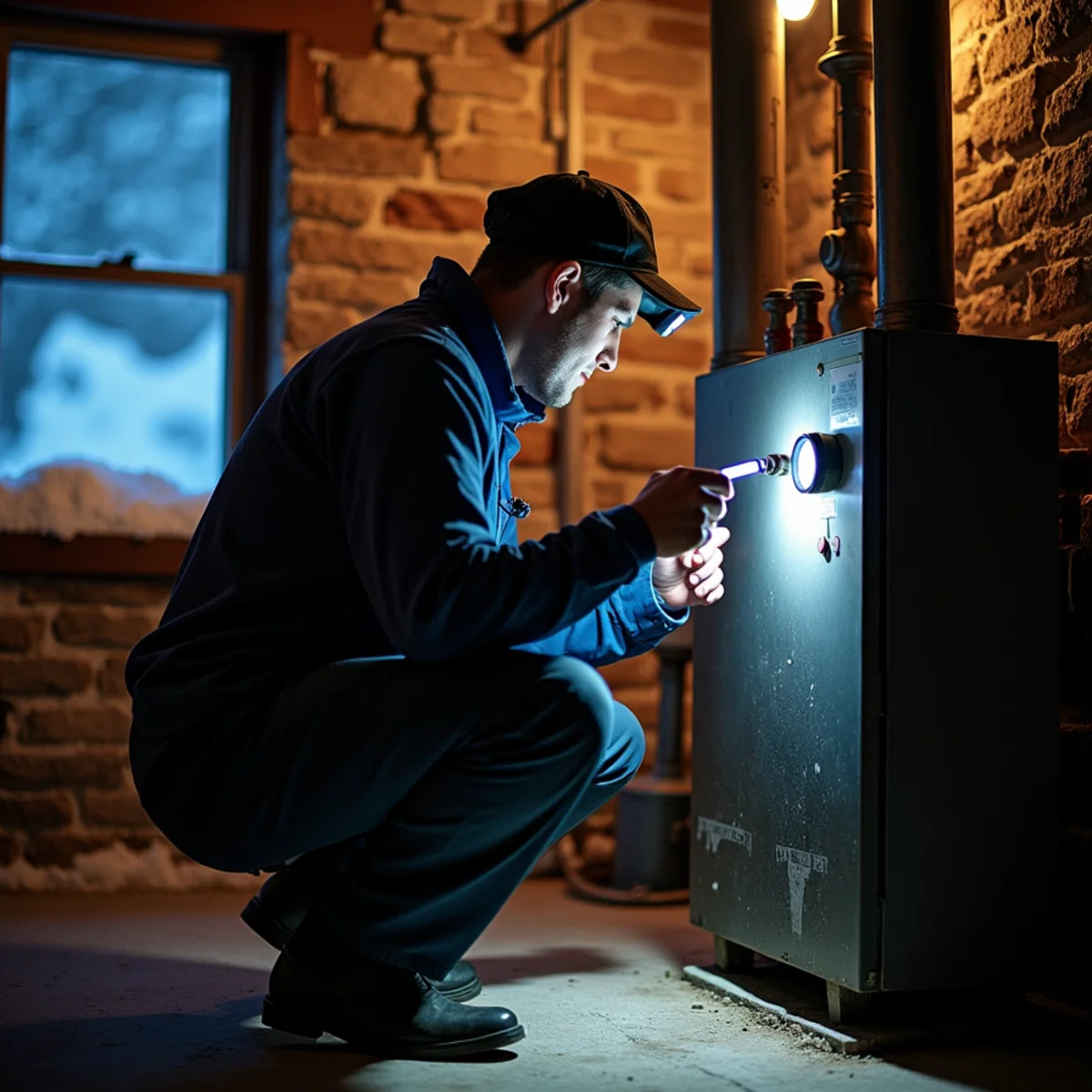
What counts as an HVAC emergency, and what can wait until morning
In Newburgh, most emergencies are about heat. These usually cannot wait:
- No heat when it is below freezing, especially with pipes in outside walls or an unheated basement
- A boiler or furnace in lockout that will not restart after one reset
- A gas smell or carbon monoxide alarm, which goes to 911 or Central Hudson first
- Burning or electrical smells from the equipment or vents
- Water pouring from a boiler or a relief valve
- No cooling in a heat wave with an older adult, an infant or someone with a heart or breathing condition at home
These can usually wait for regular hours, which may also avoid an after-hours rate:
- One cold radiator while the rest heat normally
- A system that runs but heats or cools a little less than it should
- A noisy fan or banging steam pipes with heat still coming up
Watch the forecast
When the National Weather Service issues a cold weather or heat advisory for Orange or Dutchess County, call at the first sign of trouble rather than waiting to see if the system recovers. Those are the nights and afternoons when many systems fail at once, so calling early helps. If a furnace or boiler has been acting up all fall, have it looked at before the first deep cold snap, not during it.
If a pipe has already burst
Shut off the water at the main valve, usually where the water line enters the basement wall near the meter, then turn off power to any equipment that water is reaching. Call a plumber for the pipe and us for the heat; both problems come from the same cold.
No heat in winter: the furnace and boiler failures we respond to
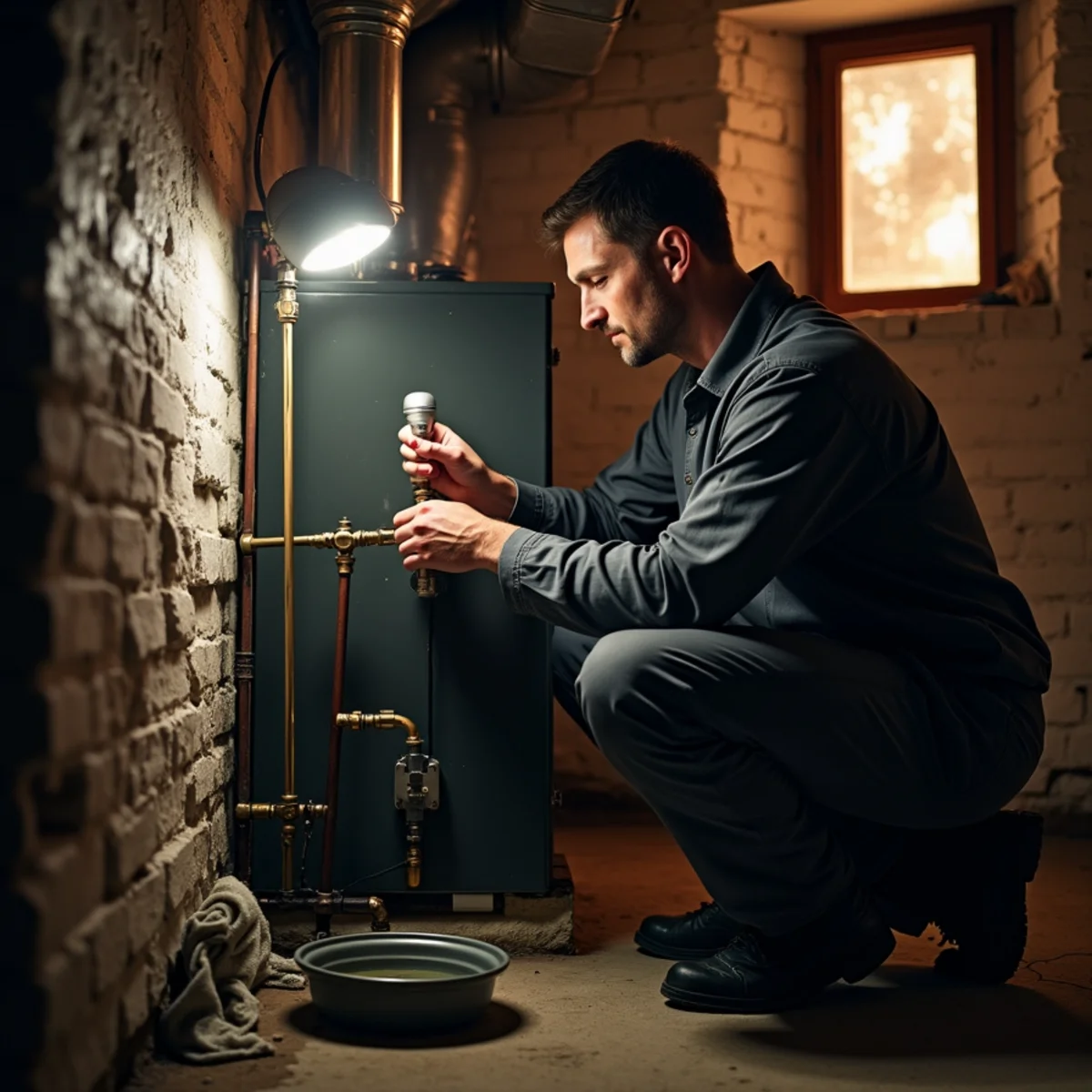
January lows here average near 18°F, so a no-heat call is treated as a same-night problem.
Gas furnaces
Common culprits are a cracked hot surface igniter, a dirty flame sensor, a failed inducer motor or pressure switch, and control board faults. See furnace repair.
Oil burners
An empty tank, a clogged oil filter or nozzle, or a primary control in lockout. A burner that ran out of oil usually needs to be primed and bled after the delivery.
Steam and hot water boilers
Steam boilers shut down on a low-water cut-off or a pressuretrol fault. Hot water systems lose heat to a failed circulator pump, a stuck zone valve or air in the lines. See boiler repair, and for radiator symptoms that are not emergencies, our guide to steam radiator problems.
If a part must be ordered, the technician makes the system safe and explains the plan.
Gas smell or carbon monoxide alarm: leave the house and call the utility or 911 first
Safety warning: If you smell gas (a rotten-egg odor) or a carbon monoxide alarm sounds, get everyone out of the house now. Do not flip light switches, adjust the thermostat or look for the source. From outside and away from the building, call 911 or Central Hudson's gas emergency line. Call us only after they say it is safe.
Carbon monoxide has no smell. Headache, dizziness or nausea in several people at once, which eases when they go outside, is a warning sign even without an alarm.
Once responders clear the house, a technician can check for a cracked heat exchanger, a blocked flue or a failed draft inducer. Equipment found unsafe stays off until it is repaired or replaced.
Test carbon monoxide alarms monthly and keep one on every floor and near sleeping areas, especially in houses with oil or gas heat.
No cooling in a heat wave: who is most at risk and what gets fixed on the spot
July highs here average 84°F, and humid stretches run hotter. Top floors of brick rowhouses hold heat long after sunset. The people most at risk are older adults, infants, anyone pregnant and anyone with heart, lung or kidney conditions. If someone shows confusion, fainting or very hot skin, call 911 first.
Failures that are often fixed in one visit when the part is on the truck:
- Capacitors and contactors that fail after days of nonstop running
- A clogged condensate drain that tripped a safety float switch
- A frozen indoor coil from a clogged filter or low airflow
- Mini-split faults such as a failed condensate pump
Refrigerant leaks and compressor failures usually take a second visit. See AC repair and ductless mini-split repair for detail.
What to do before the technician arrives: thermostat, breaker, oil level, protecting pipes
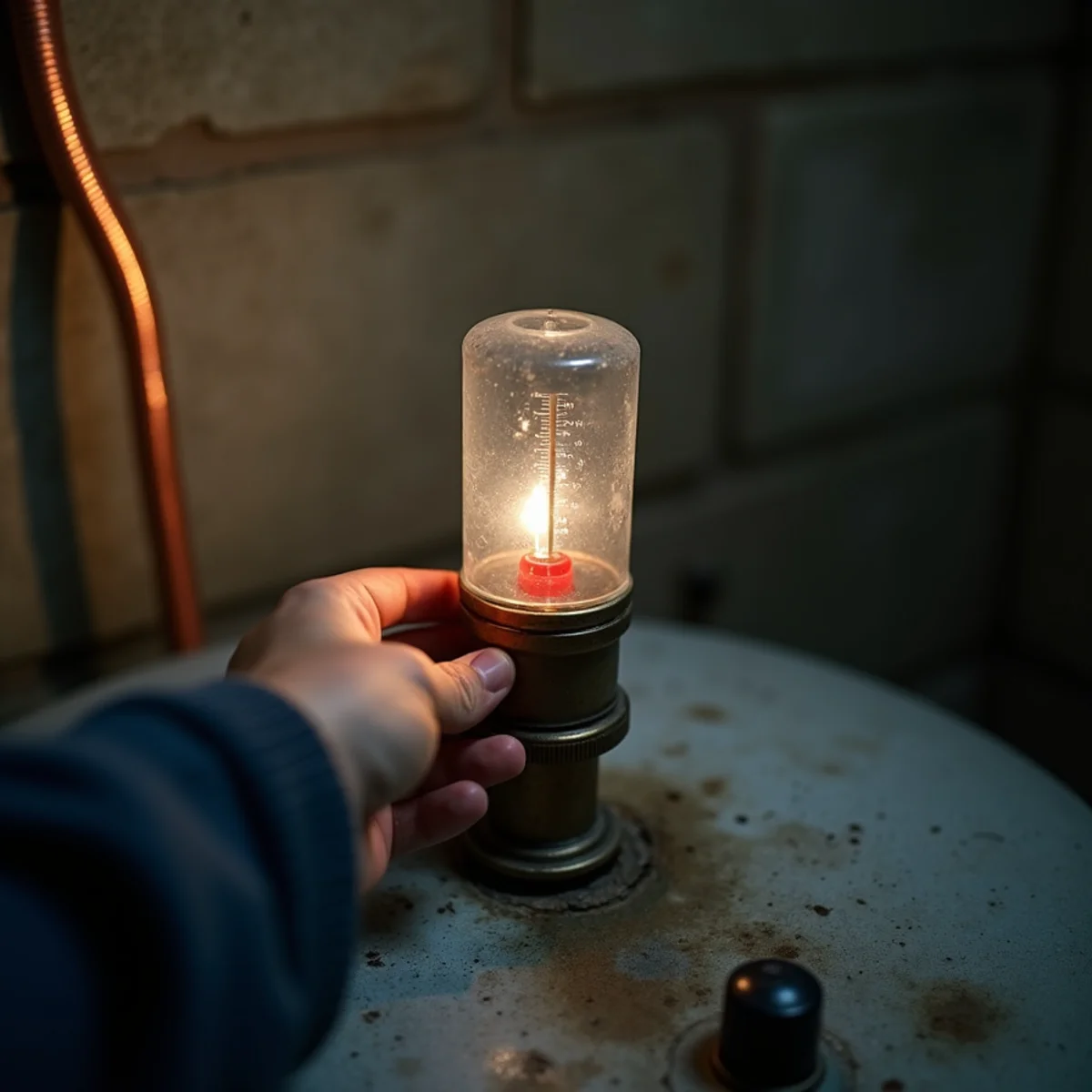
These checks are safe for any homeowner. Do not open burner compartments or electrical panels.
- Thermostat. Confirm Heat or Cool mode and the setpoint. Replace batteries if the screen is blank.
- Breaker and service switch. Reset a tripped heating or AC breaker once. If it trips again, leave it off. Check that the light-style switch near the furnace or boiler is on.
- Oil level. Read the gauge on top of the tank. If it is at or near empty, call your fuel dealer.
- One reset only. Press an oil burner's reset button once at most. Repeated resets can flood the chamber with oil.
- Steam boilers. Do not add water to a hot boiler. Tell us what the sight glass shows.
What not to do
- Do not keep resetting a furnace, boiler or breaker that shuts off again. A repeat shutdown is a safety control doing its job. Stop and tell the technician what happened.
- Do not open a combustion chamber, disconnect gas piping or touch refrigerant lines.
- Do not chip ice off a frozen AC coil. Switch cooling off and let it thaw.
- Keep children and pets away from standing water, exposed wiring and hot equipment.
Document it before you clean up
Photos and notes help the technician arrive prepared. They do not replace an on-site safety check.
- Photograph the model and serial label without removing any panels.
- Photograph the thermostat display, any error code or blinking light, and water or ice where it is safe to stand.
- Write down when the problem started, what happened just before, and any resets you tried.
- Tell us the fuel (oil, gas, propane or electric) and whether the system feeds radiators, baseboards, ducts or ductless heads.
Protecting pipes
- Open cabinet doors under sinks on outside walls.
- Let faucets on those walls drip.
- Close off unused rooms and gather in one room.
- Never use the oven, a grill or an open-flame heater for heat.
If water is leaking, move rugs, boxes and anything valuable out of its path, and stay clear of outlets and wiring near it. On the call, tell us which basement walls, crawl spaces or bathrooms have pipes at risk.
Our no-heat checklist covers each step in more detail.
How 24/7 dispatch works: live answer, nearest technician, price before work
Here is what happens when you call (321) 478-0693 late at night.
- A person answers and asks your address, what the system is doing, and whether anyone at home is at risk from cold or heat.
- We send the nearest available technician from the independent HVAC technicians we work with. Every HVAC technician we send is licensed where New York requires it, and insured.
- You get an arrival window when you call. It depends on the hour, the weather and how many calls are open, so you hear a window rather than a promise.
- Diagnosis, then a price. The technician explains the cause and the cost, and you approve it before work starts.
- The repair, or a safe plan. If a part must be ordered, the technician makes the system safe and explains the next step.
We answer 24/7 for Newburgh and across our service areas, including New Windsor, Beacon, Cornwall and Walden.
Diagnosis first, then your authorization
The diagnostic visit and the repair are separate decisions. The technician finds the cause, explains it, and gives you a written price. Beyond shutting off anything unsafe, no repair starts until you authorize it. If tonight's fix is temporary and a bigger repair or a replacement comes next, ask for that price in writing too and take time to compare. Our page on HVAC installation and replacement covers what a replacement quote should list.
Before the technician leaves
- The system runs through a full heating or cooling cycle.
- Safety controls and venting are checked, and on a boiler, the water level and pressure.
- You hear what failed, what was replaced and what to watch for.
- If the fix is temporary, the technician says so and explains the next step.
Nights, weekends and holidays: how after-hours pricing works
An overnight, weekend or holiday visit may cost more than the same repair on a weekday afternoon. The technician's company sets any after-hours rate, and you hear it before work starts.
What else moves the price:
- The part and whether it is on the truck
- Fuel and system type, since oil burners, steam boilers and hot water systems need different parts and time
- Access, such as a cramped rowhouse basement or a snow-blocked outdoor unit
- Refrigerant type on AC and heat pump calls
If the system can be made safe tonight and finished during regular hours, the technician will say so, and you can choose. Our guide to heating repair cost in Newburgh explains the main cost factors.
If it can safely wait, a weekday visit is usually the less expensive choice. If it cannot, call any time.
Landlords and tenants: no-heat calls in Newburgh rental buildings
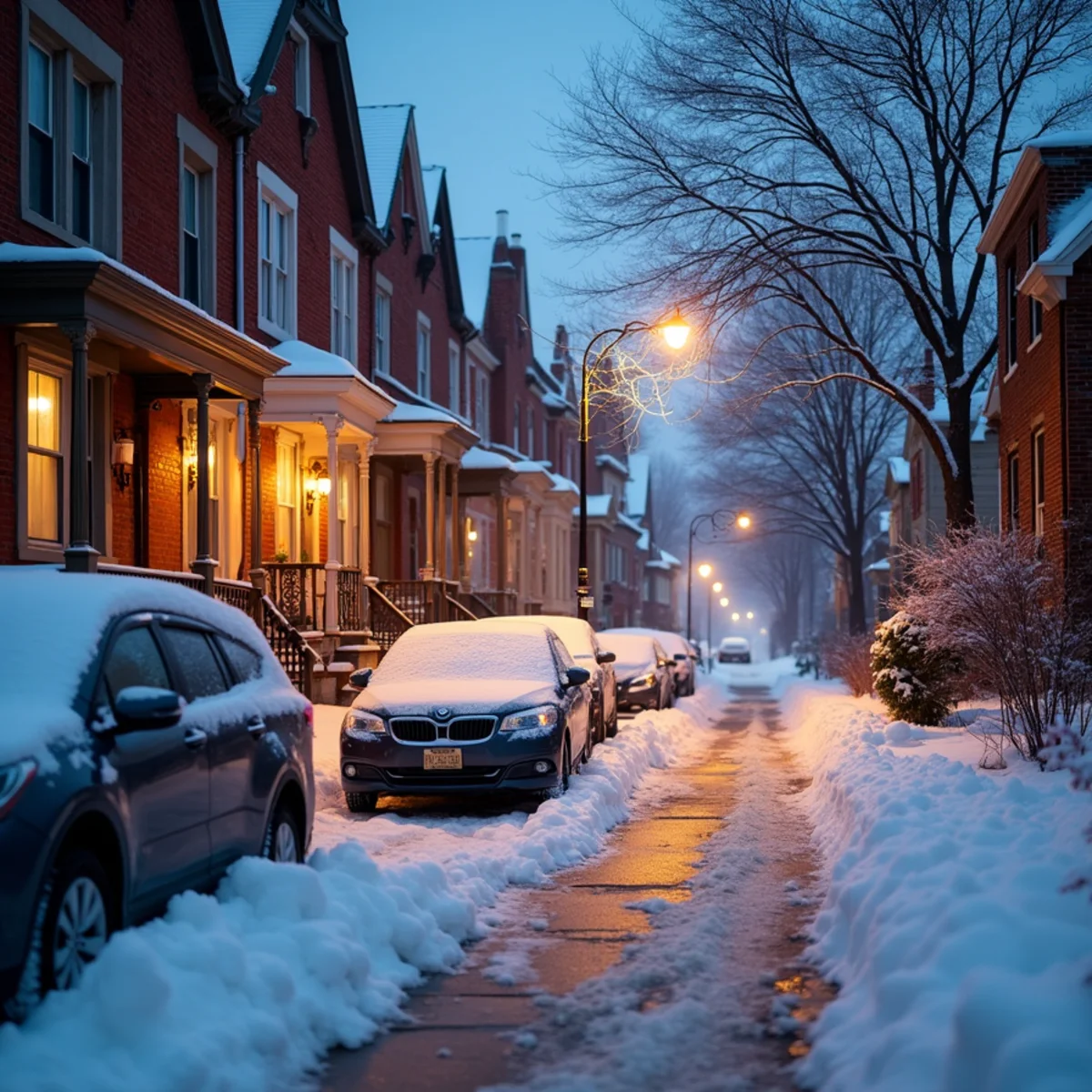
Many city buildings are two- to four-family houses heated by one boiler, so one failure leaves every unit cold. New York sets minimum heat requirements for rental housing during the heating season, and the city enforces housing codes.
Tenants
Tell your landlord or property manager right away, by phone and in writing. If heat is not restored, the city's code enforcement office can advise you. A tenant can call us, but the owner or manager usually approves the work and the price.
Landlords and property managers
- Give tenants your emergency contact and our number.
- Know who can let a technician into the boiler room at night.
- Decide in advance who approves repairs after hours.
A typical call: a two-family house on a January night, a steam boiler stopped on its low-water cut-off, and a tenant upstairs reporting cold radiators. The technician restores the water level, tests the controls and reports to the owner.
Why call Newburgh Bay Air Pros in an HVAC emergency
On a no-heat night, the first few minutes on the phone shape the rest of it. Here is what you can count on.
A person answers, any hour
Calls to (321) 478-0693 are answered live 24/7, and the call starts with whether anyone at home is at risk.
An honest arrival window
When many systems fail on the same cold night, you get a realistic window when you call, not a promise nobody can keep.
Licensed and insured technicians
Every HVAC technician we send is licensed where New York requires it, and insured. After-hours work is held to the same standard as a scheduled visit.
Oil, gas, steam and hot water
Calls cover the heating systems Newburgh actually has, from oil burners and steam boilers to gas furnaces and heat pumps.
Price before work, even at night
Any after-hours rate is part of the price you approve before work starts.
24/7 Emergency HVAC Repair Across Newburgh and Nearby Towns
Calls come in from all over our HVAC service area around Newburgh. These are the towns we hear from most for 24/7 emergency hvac:
We also cover Fishkill, Walden and Washingtonville.
24/7 Emergency HVAC Repair FAQs
Are you really available 24 hours a day?
Yes. A live person answers (321) 478-0693 around the clock, seven days a week, including holidays. We take the details and send the nearest available technician from the independent HVAC technicians we work with. On the coldest nights many systems fail at once, so availability can be tighter than during the day. You get an honest arrival window when you call.
How quickly can a technician arrive in Newburgh?
It depends on your location, the hour, the weather and how many emergency calls are open. We do not promise a set number of minutes. The nearest available technician takes the job, and you get an arrival window when you call so you can plan. If anyone at home is at risk from the cold or heat, say so on the call.
Does an after-hours call cost more?
It can. Nights, weekends and holidays may carry an after-hours rate set by the technician's company. You hear the full price, including any after-hours charge, and approve it before work starts. If the system can be made safe tonight and repaired in the morning, the technician will tell you, and you can choose to wait. Ask about after-hours rates when you call.
My heat is out and it is below freezing. How do I protect my pipes?
Open the cabinet doors under sinks on outside walls so warm room air reaches the pipes, and let those faucets drip. Close off unused rooms and keep everyone in one room with the door shut. Know where your main water shutoff is in case a pipe bursts. Never use the oven, a grill or an open-flame heater for heat. Then call (321) 478-0693.
My oil burner shut off. Should I keep pressing the reset button?
No. Press the reset button once at most. If the burner does not light and stay lit, leave it alone, because repeated resets can pump oil into the combustion chamber and create a hazard. First check the tank gauge; if the tank is empty, call your fuel dealer, and expect the burner to need priming after the delivery. Then call us for a technician.
Can I use a space heater while I wait?
An electric space heater with tip-over and overheat shutoff is reasonable if it sits at least three feet from bedding, curtains and furniture and plugs straight into a wall outlet. Never leave it running unattended or while sleeping. Never heat the house with a gas oven, a grill, a generator or any open-flame heater, because they can fill the house with carbon monoxide.
What should I do if I smell gas or suspect carbon monoxide?
Get everyone out of the house right away. Do not flip switches, adjust the thermostat or look for the source. From outside, call 911 or Central Hudson's gas emergency line. Carbon monoxide has no smell, so treat an alarm, or headaches and nausea in several people at once, as real. Call (321) 478-0693 once responders say the house is safe, and a technician can find the cause.
Is no heat an emergency, and how cold is too cold inside?
No heat is an emergency when it is below freezing outside, when the indoor temperature keeps dropping and pipes run along outside walls or through an unheated basement, or when an older adult, an infant or someone who is ill lives in the home. Do not wait for the house to fall into the 50s overnight. Call (321) 478-0693 and say who is in the home.
Does the diagnostic visit commit me to the repair?
No. The diagnosis and the repair are separate decisions. The technician explains the cause and gives you a written price, including any after-hours rate, and the repair starts only after you approve it. Anything unsafe is shut off either way. You can also choose a safe temporary fix tonight and decide on a bigger repair or a replacement during regular hours.
Last reviewed by Newburgh Bay Air Pros. Checked before each heating and cooling season.