The short answer
A furnace or boiler repair in Newburgh costs whatever the failed part, the labor and the visit add up to, and those vary widely. The part, the fuel (oil or gas), the system (steam, hot water or forced air), access, the hour you call and the age of the equipment drive it. Get a written price before work starts.
A website that prints one number for heating repair is guessing or quoting the cheapest job. Below is what moves the price in Newburgh-area homes, so you can judge the number you are given.
Why a website cannot honestly quote your repair
A no-heat call can end with a cleaned flame sensor or with a cracked cast-iron section. Both start with the same complaint: the house is cold. Until someone looks at the equipment, nobody knows which one you have.
The housing stock makes it harder still. The City of Newburgh's median house was built in 1938, and its basements hold everything from steam boilers converted from coal to oil burners on their third nozzle. The Town of Newburgh has forced-air gas furnaces from the 1980s and 2000s. A price that fits a 2005 furnace in Gardnertown means nothing for a 1960s oil boiler in a Liberty Street rowhouse.
The useful questions are what drives the cost on your system, and how to tell whether the price you are given is fair.
What a published range leaves out
When a site does print a range, ask what it covers before you compare it with anything:
- The diagnostic visit, or only the repair after it.
- Labor and parts, or parts alone.
- After-hours rates for a night or weekend call.
- Access, such as a boiler under a low rowhouse ceiling.
- Disposal of the old part, and a follow-up trip if a part has to be ordered.
A low number that leaves out half of that list is not cheaper. It is incomplete.
What drives heating repair cost
These are the factors a technician weighs before writing a price:
- The part. An igniter, flame sensor or oil nozzle is a small part. A control board, inducer motor, circulator pump or oil burner motor is a bigger one. A heat exchanger or a cracked boiler section is often a replace-or-repair conversation.
- Parts availability. Common parts are usually on the truck. Parts for older or discontinued equipment may have to be ordered, which can mean a second trip.
- Fuel. Oil burners need more routine service parts (filters, nozzles, CAD cells) and more cleaning. Gas equipment has fewer wear parts but more electronic controls.
- System type. Steam, hot water and forced air fail in different ways and take different amounts of time to diagnose.
- Access. Tight basements, low ceilings, narrow stairs and crawl spaces add labor.
- When you call. Nights, weekends and holidays are commonly billed differently from weekday daytime visits. Ask how the visit is priced when you call.
- Age. Older equipment takes longer to work on, and one repair can expose the next weak part.
- Warranty coverage. A part still under the manufacturer's warranty may cost little or nothing, but the labor to install it usually is not covered. Have the model and serial numbers ready so the technician can check.
Common repairs, from minor to major
- Usually minor: cleaning or replacing a flame sensor, an igniter, a thermostat fix, a clogged filter, an oil nozzle and filter, a run capacitor on a blower.
- Mid-range: an inducer or blower motor, a control board, a gas valve, a pressure switch, a circulator pump, a low-water cut-off or an oil burner pump.
- Major, and a repair-or-replace question: a cracked heat exchanger, a leaking cast-iron boiler section, or several mid-range parts failing in the same season on older equipment.
Where your repair falls on that list tells you more than any average price posted online.
The diagnostic visit: what you pay for first
Most heating calls begin with a diagnostic or service visit. That covers the technician's trip and the time to find out what failed. It is separate from the repair itself, and on some calls the diagnosis is the hard part: an intermittent lockout or a boiler that short-cycles can take real testing.
A good diagnostic visit ends with what failed, why it failed and what the fix takes. Ask about the why: a flame sensor that keeps fouling can point to a venting problem a new sensor will not fix.
Ask on the phone whether the diagnostic charge is applied toward the repair if you approve it; some companies credit it and some do not. Paying for the diagnosis does not approve the repair. Before the visit, do not keep resetting the equipment. Press an oil burner's reset button once at most, since repeated resets can flood the chamber with oil and add cleanup. Write down what happened before the heat stopped instead.
Calling at 2 a.m. in January? Ask how after-hours visits are priced, then decide whether to fix it tonight or in the morning. On a frozen-pipe night, waiting usually costs more.
Oil vs gas, steam vs hot water: how the system changes the bill
Oil heat
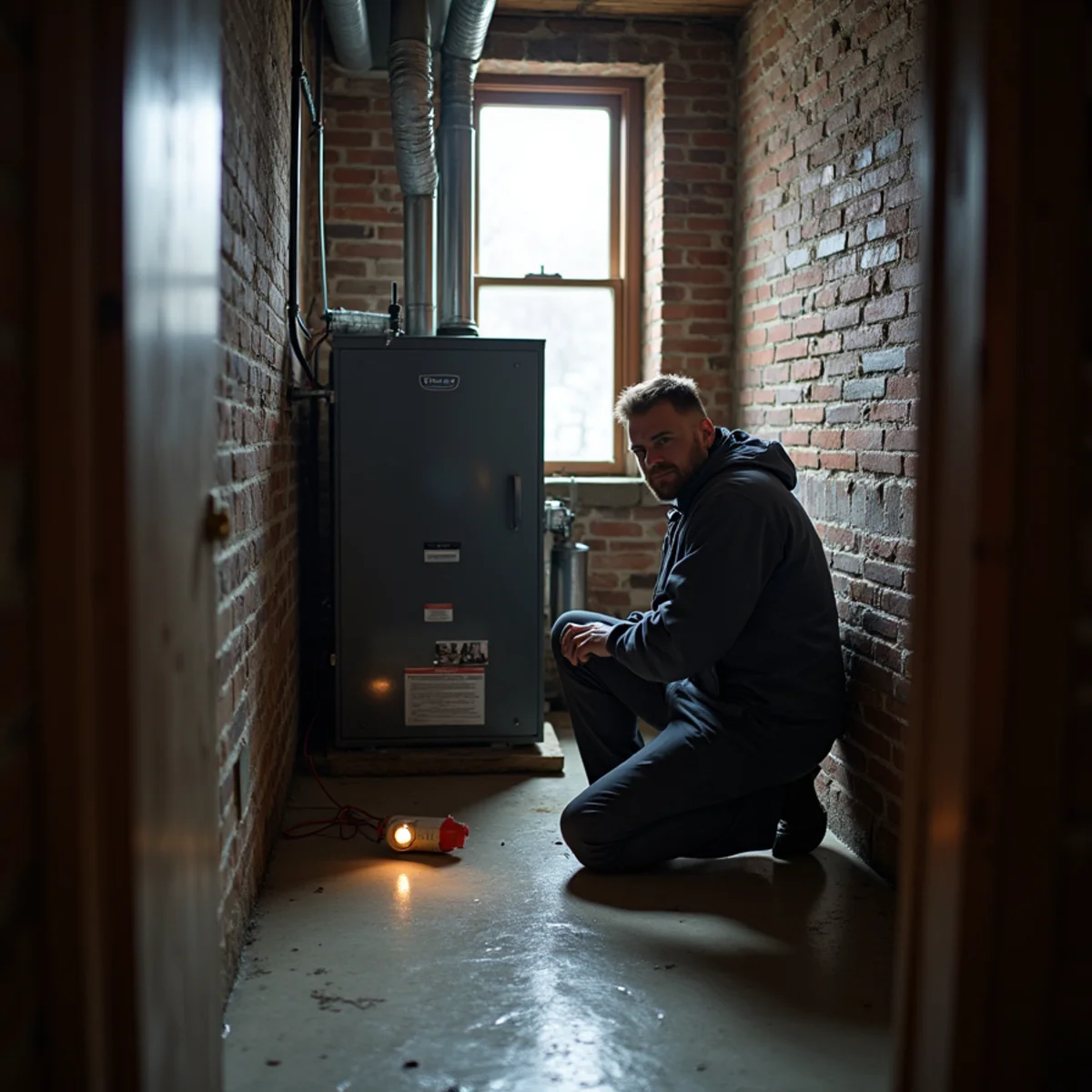
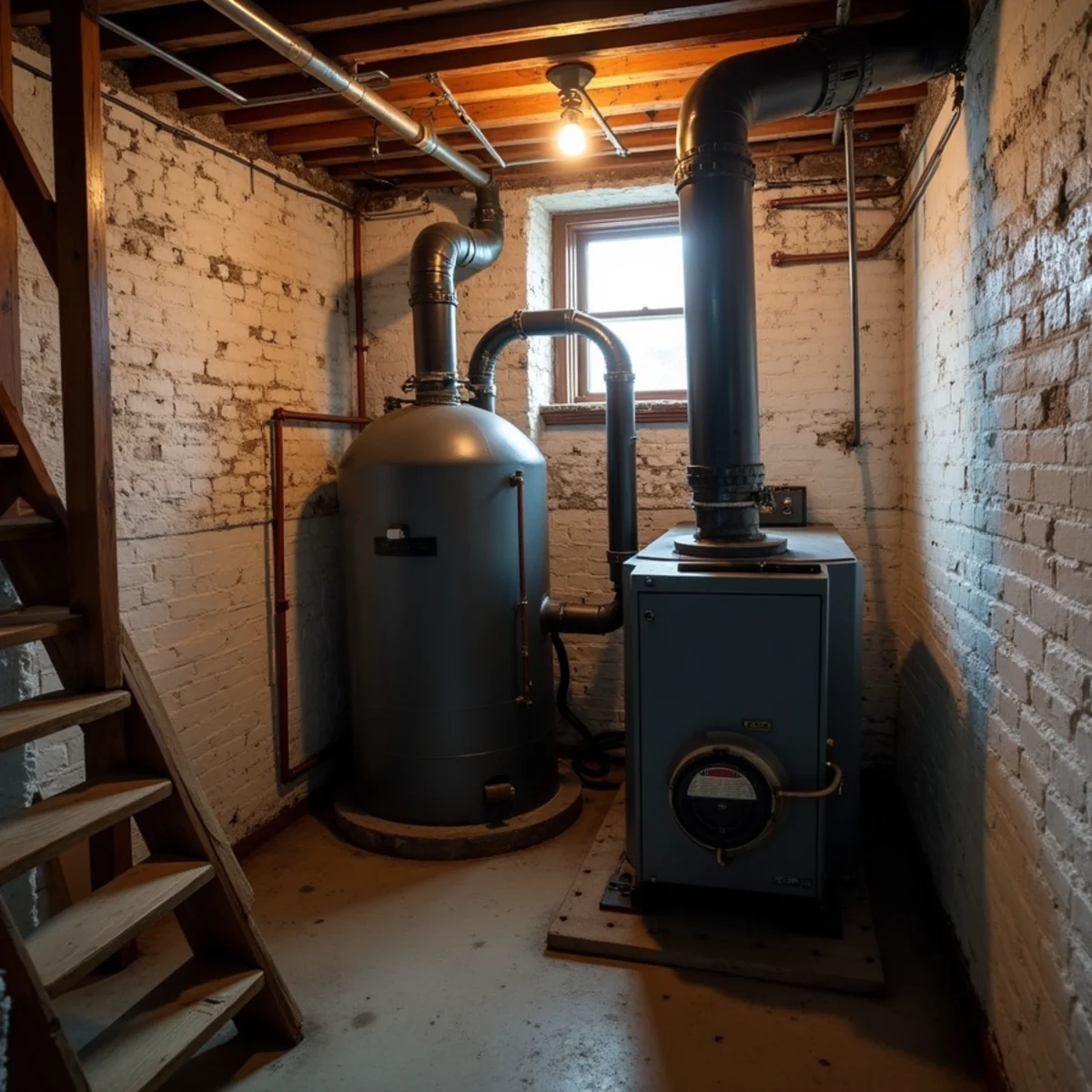
Oil is common off Central Hudson's gas mains, in Cornwall, rural New Windsor and parts of Walden. Oil burners have more wear parts and need annual cleaning. A burner that has been reset many times may need its combustion chamber cleared, which adds time. If you ran out of oil, the line has to be primed.
Gas heat
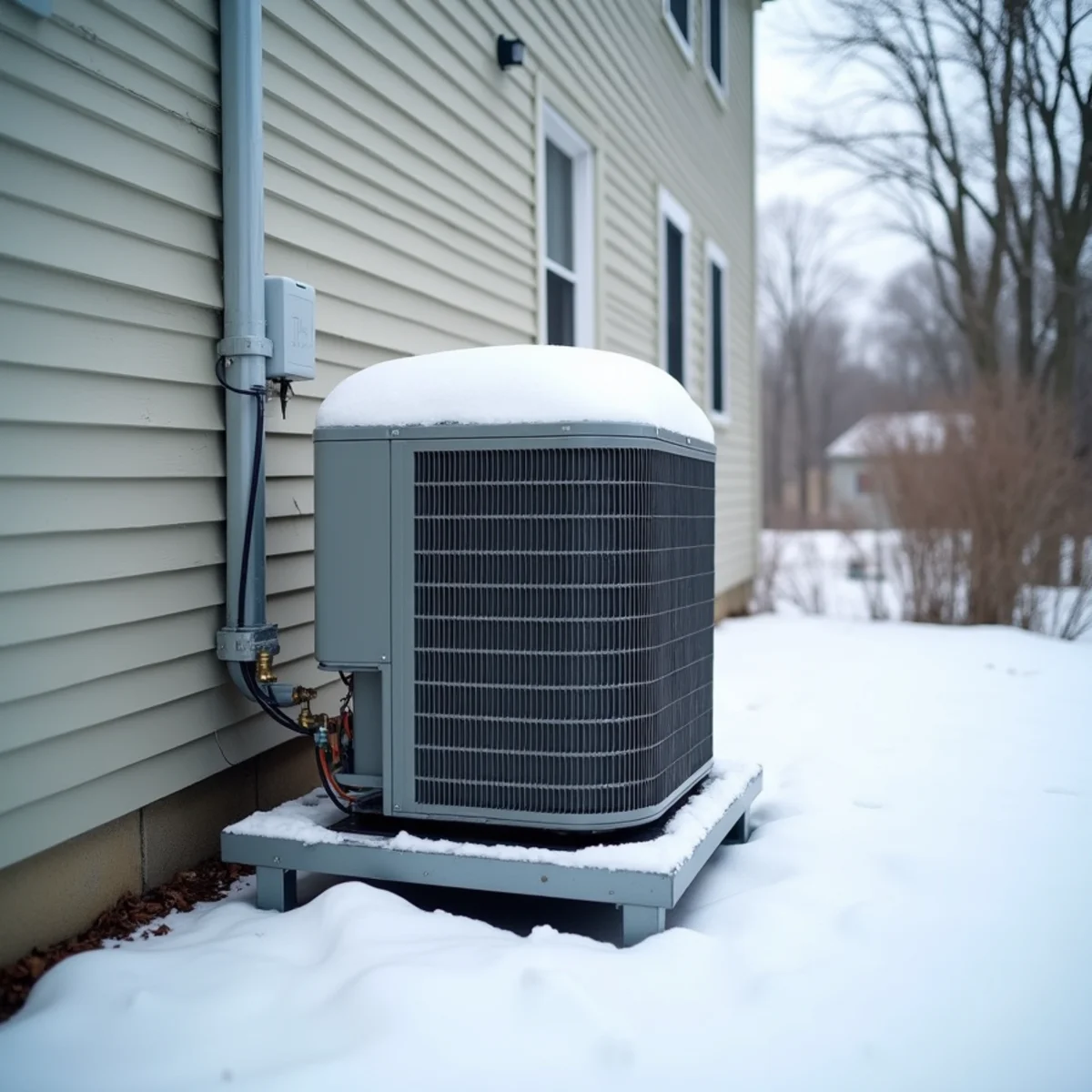
Gas furnaces in Town of Newburgh subdivisions often fail on electronic parts: igniters, flame sensors, pressure switches, control boards. These tend to be quicker to diagnose with a meter, though board and inducer failures cost more in parts.
Steam
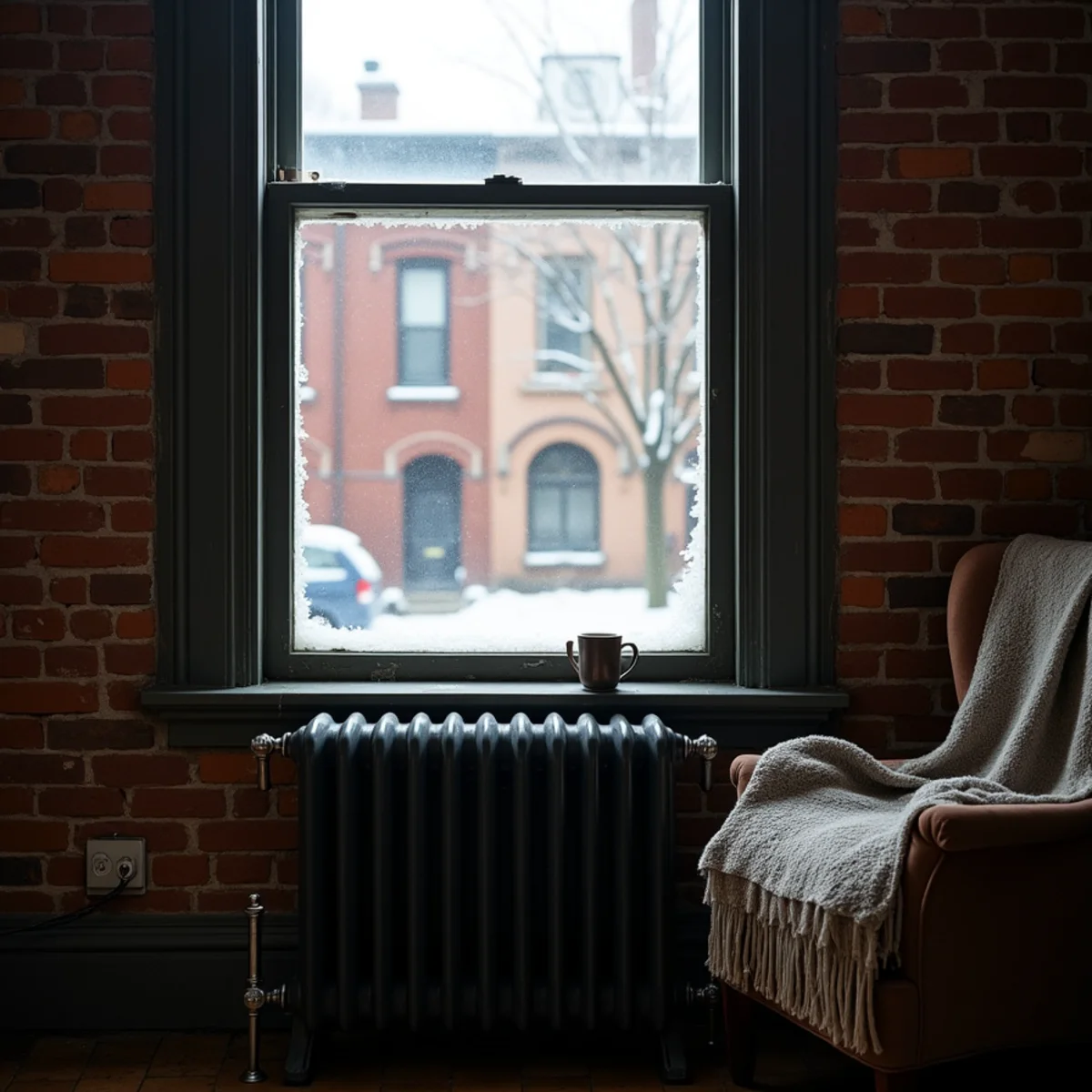
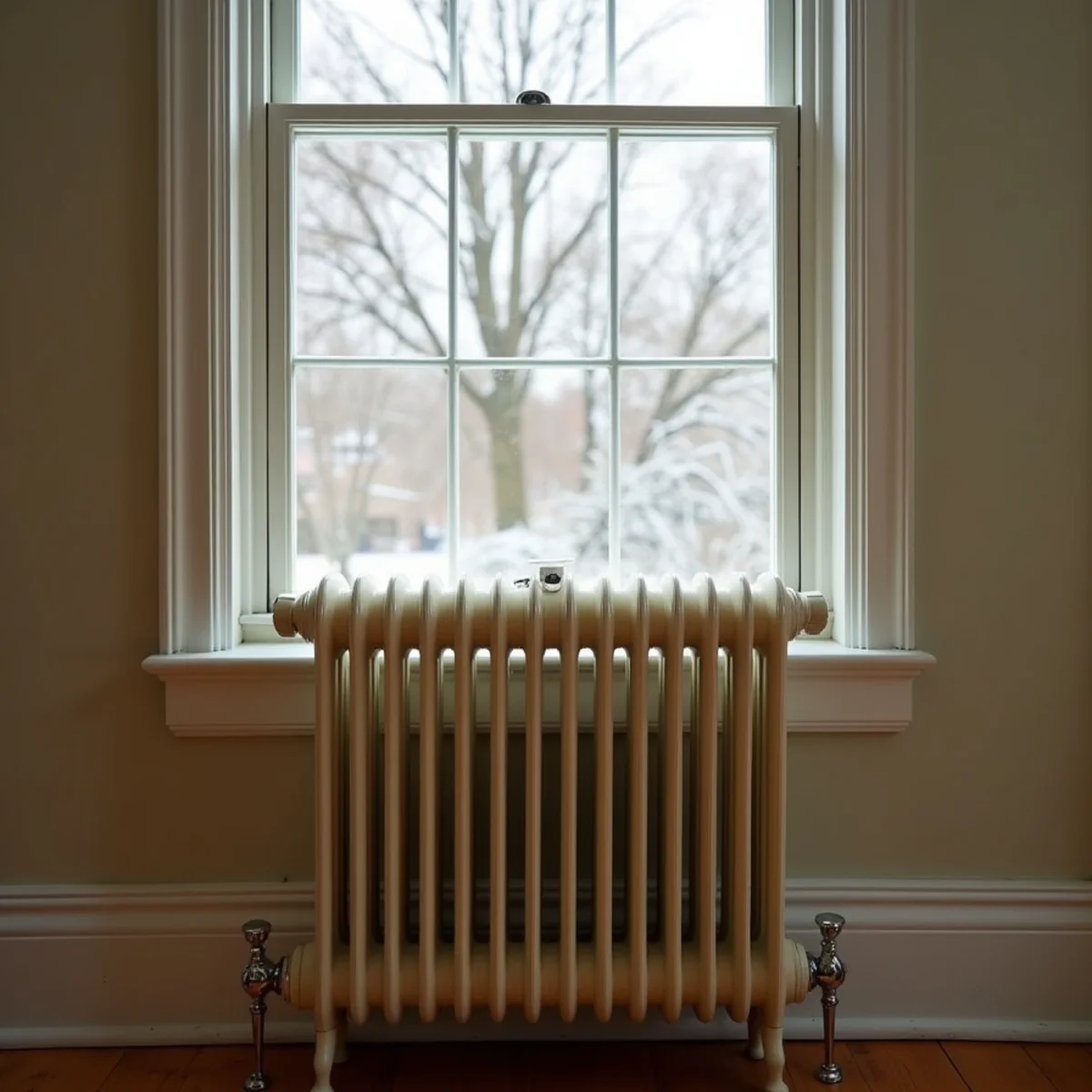
Steam systems in East End rowhouses and Beacon Victorians add the piping to the job. A low-water cut-off, a pressuretrol or a leaking sight glass is boiler work. Banging pipes or cold radiators may be piping work that takes longer to trace. Our guide to steam radiator problems explains the signs.
Hot water
Hydronic systems add circulator pumps, zone valves and expansion tanks. A failed circulator is a common, contained repair. Air in the system or a waterlogged expansion tank can take time to purge and set right.
Access matters in all of them. A boiler at the bottom of a steep rowhouse stair, under a low fieldstone ceiling, takes longer than a furnace in a finished utility room.
How to read a written price before you approve it
You approve a written price before work starts. When you read it, check:
- It names the problem. Not just "repair boiler," but what failed and what will be replaced.
- It separates the visit from the repair, so you know what you owe if you decline.
- It lists the parts. Ask whether parts are original-manufacturer or universal replacements.
- It says what is not included. If the technician suspects a second issue, it should be noted, not discovered later.
- It covers permits if needed. Repairs generally do not need one; replacing a furnace or boiler generally does, through the City of Newburgh or your town's building department, and the contractor normally pulls it.
If the price includes replacing the whole unit, ask for the repair option written alongside it so you can compare.
If the price is for a replacement
A replacement quote should also show:
- Sizing from an ACCA Manual J heat-loss calculation, or for steam, the radiators the boiler has to fill.
- The permit: who pulls it, who schedules the inspection and who handles closeout.
- Startup testing, including combustion readings once the new unit runs.
- Warranty terms in writing, labor and manufacturer, and who registers the equipment.
- Deposit, payment milestones and cancellation terms.
Compare at least three written quotes line by line. A quote that is lower because it skips a line is not a better price.
From the field: repair or replace, worked out with age and history
Technicians in this area think about repair versus replace in terms of two things: how far the equipment is through its typical life, and how much has gone wrong recently.
- A gas furnace typically lasts 15 to 20 years. A cast-iron boiler typically lasts 20 to 30 years or more.
- A repair on a mid-life unit with a clean record is usually worth doing.
- A major repair on a unit past its typical life, with two or three other repairs in the past couple of winters, deserves a replacement quote alongside it.
- A cracked heat exchanger or a leaking boiler section usually ends the conversation; most of those are replaced.
- Repair fits when the failure is isolated, the equipment is otherwise safe, parts are still made and the price is in proportion to the unit's condition.
- Get a replacement quote when failures repeat, parts are obsolete, combustion tests unsafe or some rooms never heat evenly.
A typical call: a Cornwall homeowner's late-1990s oil boiler needs a burner motor, and the boiler itself is sound. That is a repair. A furnace past 20 years that needed an inducer last winter and now has a cracked heat exchanger is a replacement conversation.
Replacing an old oil or gas appliance can also mean a chimney liner, which is worth asking about up front. The technician explains the options; the decision is yours. See our heating installation page for what a replacement involves.
Get a written price for your repair
Call Newburgh Bay Air Pros at (321) 478-0693. We answer 24 hours a day and send the nearest available technician for furnace repair or boiler and oil burner repair. You get an arrival window when you call, and you approve a written price before any work starts. Every HVAC technician we send is licensed where New York requires it, and insured.
We serve the City and Town of Newburgh, New Windsor, Beacon, Fishkill, Walden, Washingtonville and heating repair in Cornwall. If the heat is out right now, run through our no-heat checklist first.
Common Questions
Why can't you give me a repair price over the phone?
Because the same symptom has very different causes. A boiler that will not fire might need a filter and nozzle or a new burner motor, and the difference is large. A phone price would be padded or wrong. Instead, the technician diagnoses the problem and writes a price you approve before work starts.
Is oil burner repair more expensive than gas furnace repair?
Not always, but oil equipment has more wear parts and needs more cleaning. Filters, nozzles, CAD cells and pumps all wear, and a burner that was reset several times may need its chamber cleared. Gas furnaces have fewer wear parts but more electronic controls, and a control board or inducer motor can cost more than a typical oil service part.
Do heating repairs cost more at night or on weekends?
After-hours visits are commonly priced differently from weekday daytime calls across the trade. Ask how the visit is priced when you call. If the house is safe and the weather is mild, you may choose to wait for regular hours. If pipes are at risk or someone vulnerable is at home, the cost of waiting is usually higher.
Is it worth repairing a boiler that is 25 years old?
Often, yes. Cast-iron boilers commonly last 20 to 30 years or more, so a well-kept one at 25 can still have years left. The questions are what failed, whether the boiler sections are sound, and how many repairs it has needed lately. A leaking section usually means replacement; a burner part usually does not.
If I pay for a diagnostic visit, have I agreed to the repair?
No. The diagnostic covers the trip and the time to find what failed. The repair is a separate decision. The technician explains the finding and writes a price for the fix, and you approve it before any work starts. If you decline, the written price shows what you owe for the visit.